All articles
Stylist tips
WHY DO WE BUY THINGS WE DON'T WEAR
Why do we buy things that just stay in the closet? This article is about the real reasons behind such purchases and how to make your wardrobe conscious and functional.

Most of us have clothes in our closets with tags still on them or that have been “waiting for their moment” for years.
And it's not about bad taste.
It's not about how much money we have.
And it's definitely not about discipline.
The problem lies elsewhere — in how we make purchasing decisions and who actually makes those decisions.
Often, when we buy clothes, we are masking decisions of a completely different nature than those that a wardrobe should basically cover.
We try to compensate for an emotional void: to buy a little confidence, carefreeness, joy. Insert your own version.
And that doesn't mean that clothes can't support these needs. But, returning to the functional level, to the simple question of “what to wear,” the answer often remains open.
Because in search of lightness or satisfying the needs of our inner child, we buy an eighth dress, while during the working day, pants better meet our real needs.
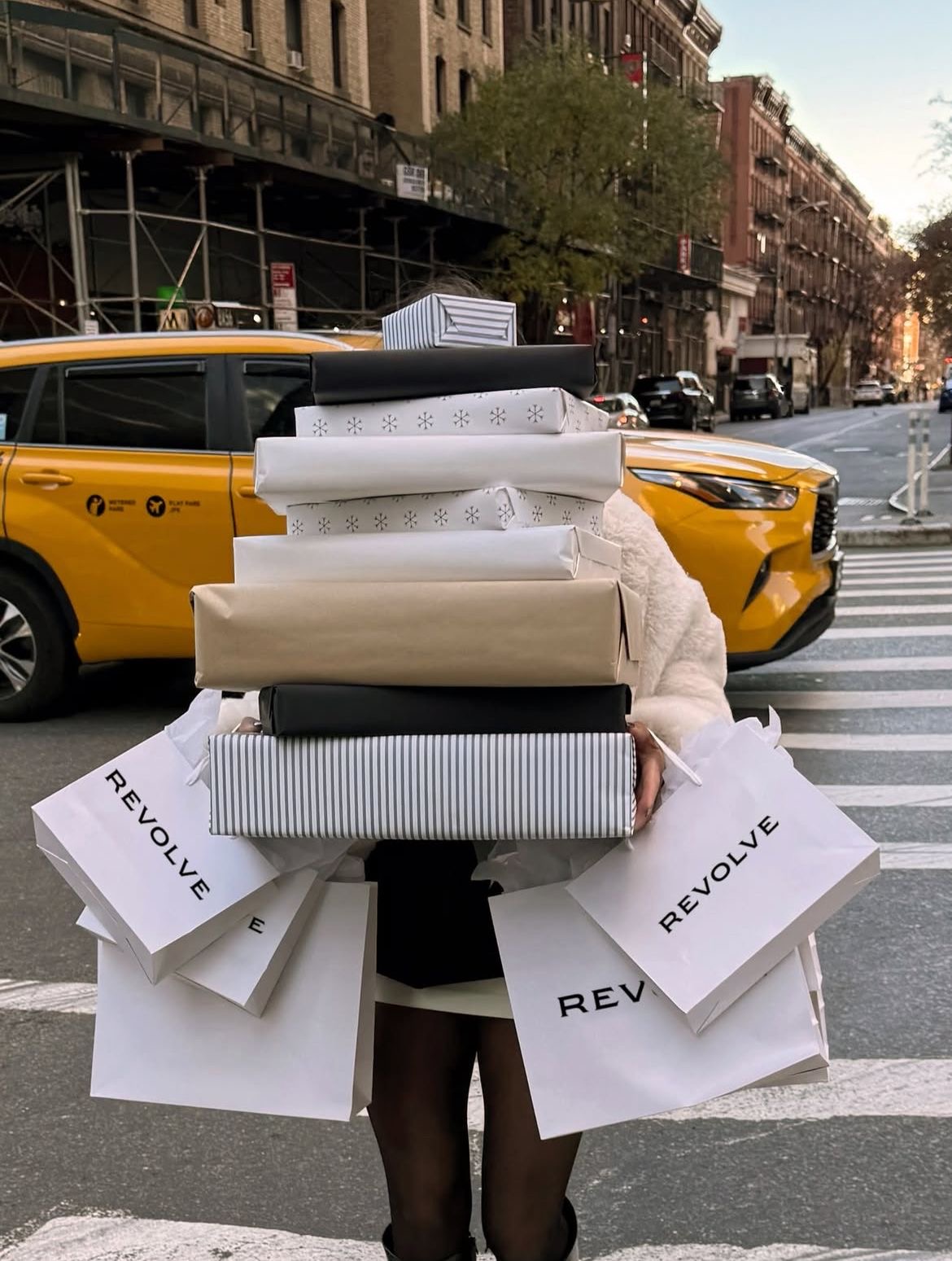
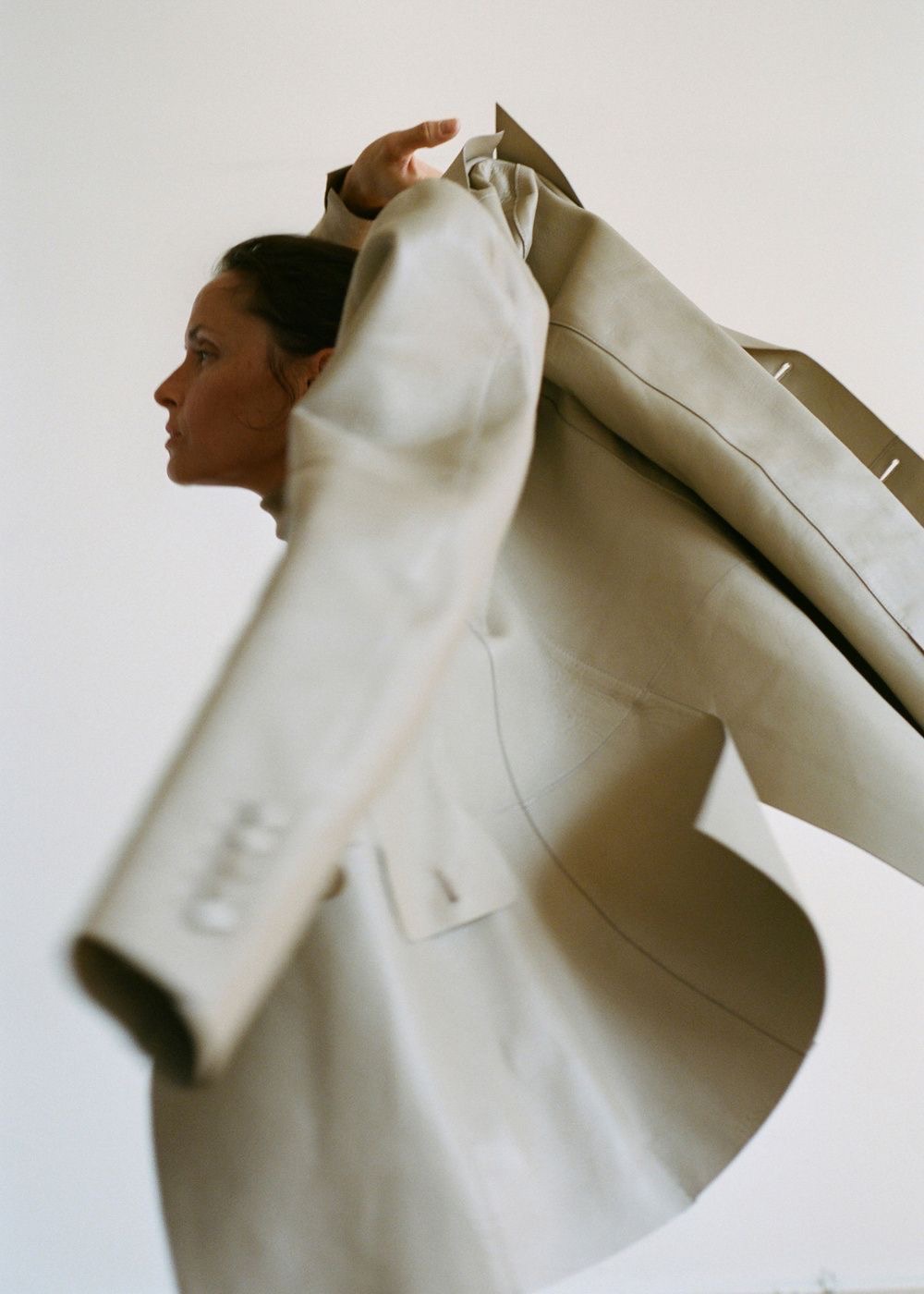
Observing various scenarios for building a wardrobe, we can rank the five main reasons for purchases with no future.
First — buying for a life we don't live.
Your shopping favorites do not meet your real needs. For example, you have changed your field of activity, and now your working hours involve more dynamics, movement, and, accordingly, a comfortable look, but you subconsciously continue to buy classic suits that you used to wear to the office, usually complementing them with heels. Or you keep references to how you would like to dress and even dare to buy a few items from your dream combinations, but still don't dare to bring new looks to life, considering them too bold or inappropriate for yourself.
Why do these things remain untouched?
Because your real life does not match the image for which this purchase was made. And you continue to move forward in parallel.
Tip: before buying, ask yourself: where will I wear this in the next two weeks?

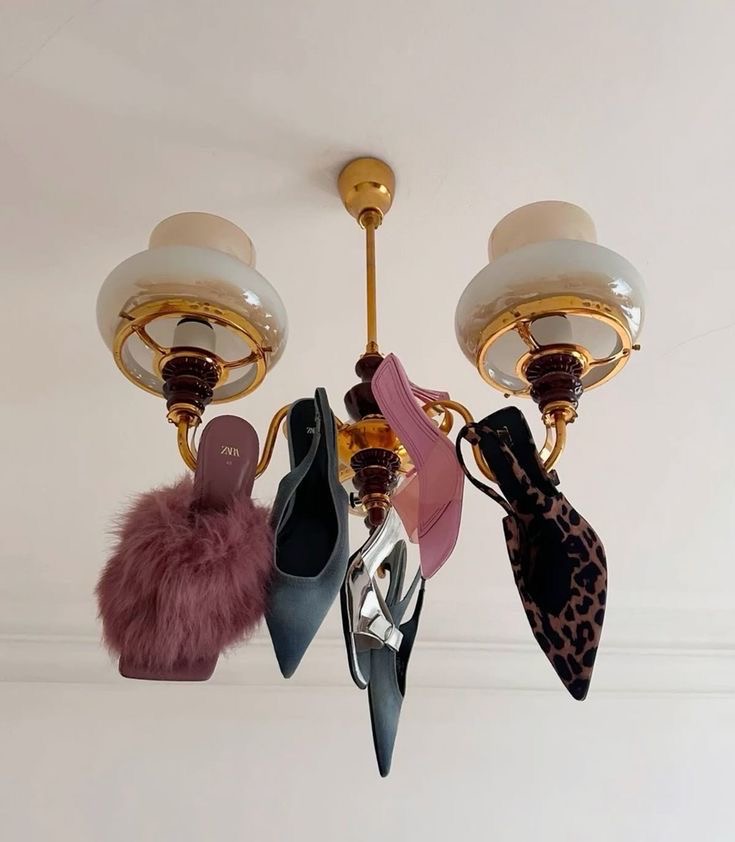
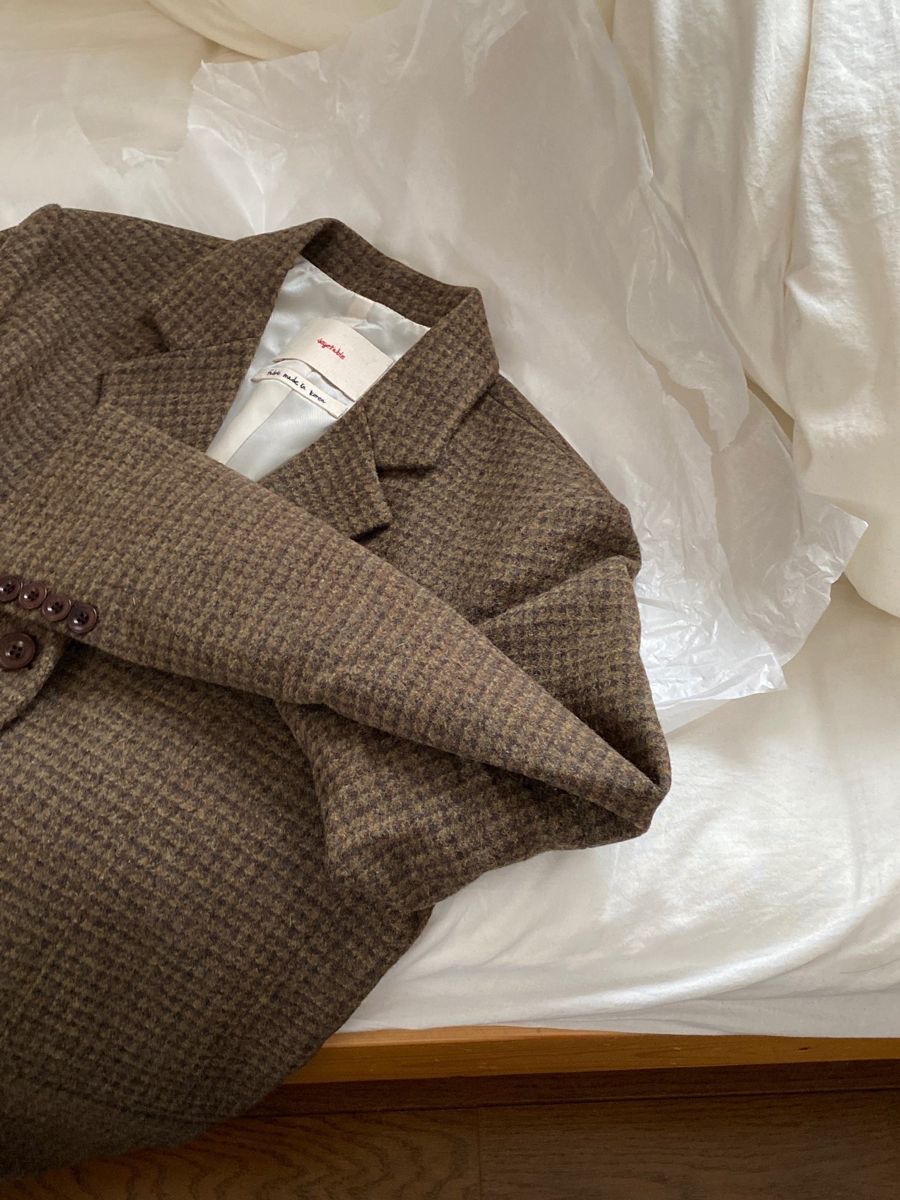
Second — not every beautiful thing is right for you.
We may fall in love with a certain item of clothing. We may mentally approve the decision to buy it, based on seemingly objective factors: • the item is relevant, modern, and in tune with the times • it looks stylish • it is of good quality, perhaps justified by the price But not every such item will suit you personally, taking into account the contrast and tone of your appearance, feel comfortable on your body, and correspond to your characteristics and individual preferences in terms of tactility or cut. It will not support your character, will not look complete in your outfits, and will remain a guest.
Why not wear it?
Because the body sabotages what it is not comfortable with, even if it looks beautiful to the eyes.
Tip: if an item only “works” in the mirror, but you want to take it off, this is a signal that you should respond to.
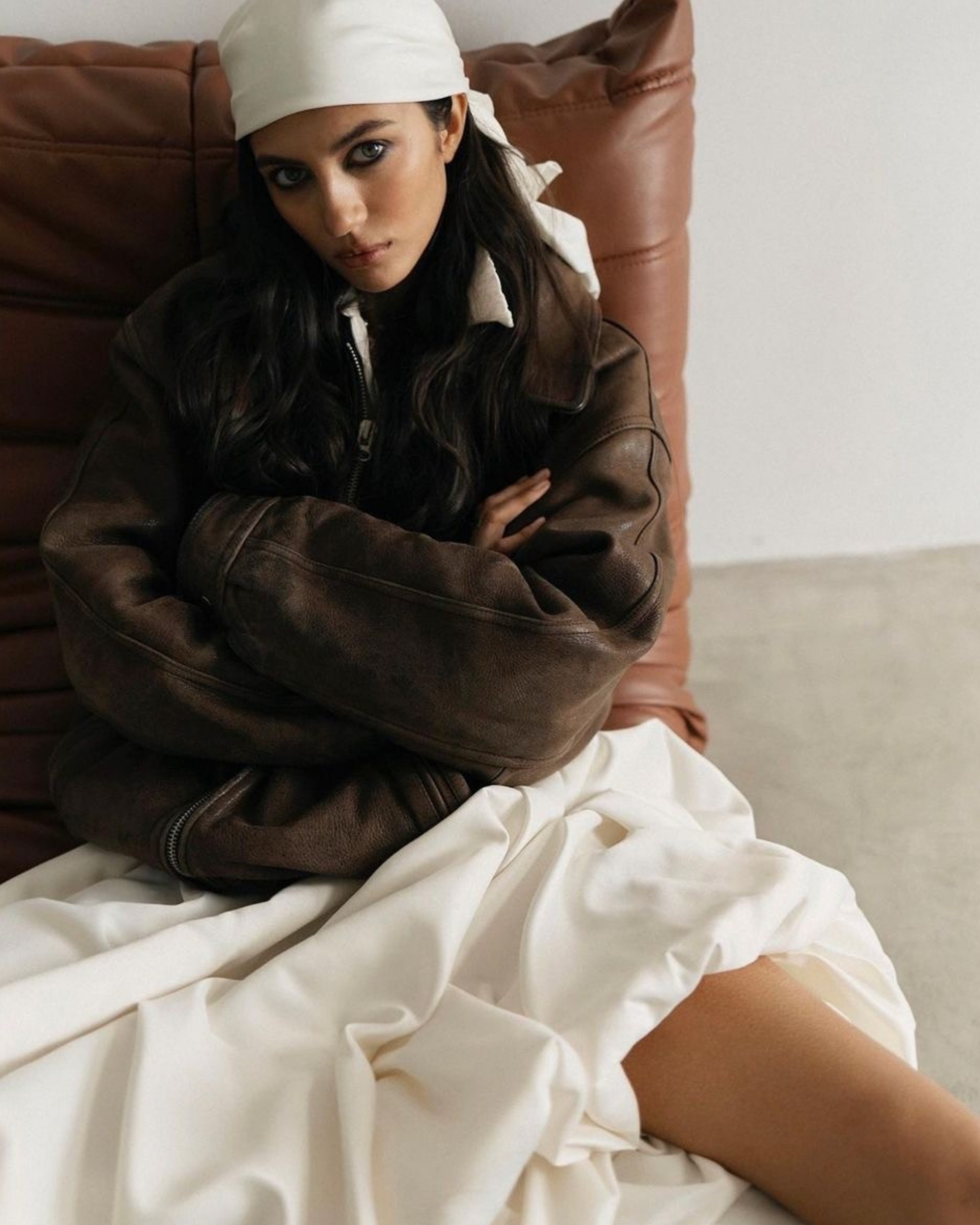
Third — buying under external influence.
Trends everywhere dictate their “fashion standards,” bloggers pick up on them and reinforce the feeling of the importance of conforming to situational norms. A friend bought it and can't get enough of it. And the sales assistant in the store assures you that this item is a must-have for everyone this season. Although this seems positive, the pressure is difficult to resist. And the facts sound quite logical, but you still don't feel compelled to buy it.
Why isn't it being worn?
Because the decision was not made based on an inner voice.
Tip: if you feel like taking a photo of the item “for someone” while trying it on, you should be wary.


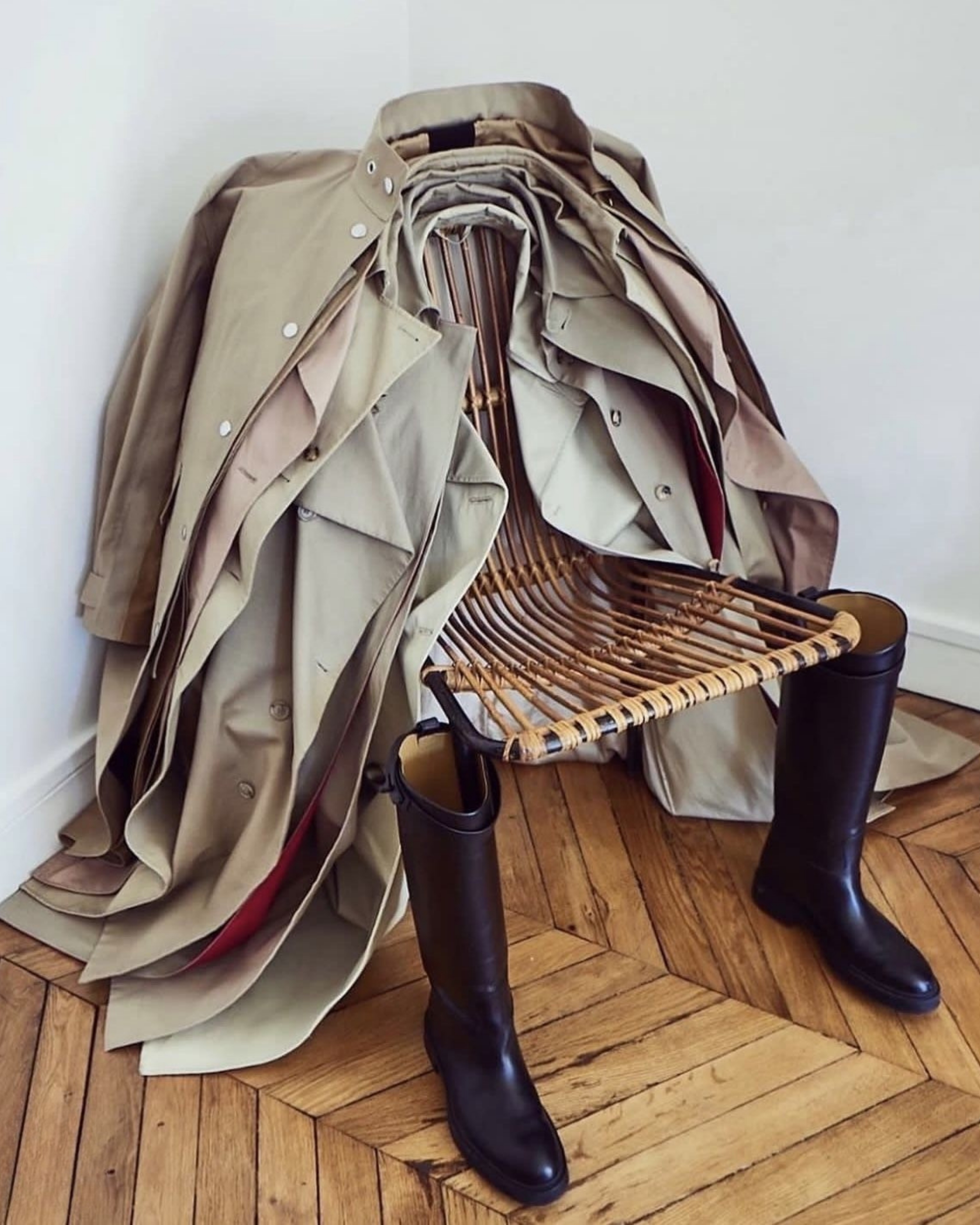
Fourth — the illusion of style through quantity.
Often, the untrained eye sees the opportunity to convey one's own style solely through a pile of clothes. And when a wardrobe is not assembled according to the principle of functionality, gaps arise from time to time that one wants to fill with new purchases. Unfortunately, this strategy is ineffective even in the medium term. It would be much more reasonable to start working on the structure of your wardrobe and understanding yourself.
Why don't you wear it?
Because the new item does not integrate into the system and remains a single item.
Tip: before buying, think: how can I wear this in at least three ways?

Fifth — shopping as emotional compensation.
An attempt to compensate for fatigue, anger, or simply a bad day with shopping. Such purchases are rarely carefully planned and become a puzzle piece in the system.
Why don't you wear it?
Because the emotion has passed, and the item has lost its meaning.
Tip: postpone the purchase for 24 hours. If the desire has disappeared, it was not a need.
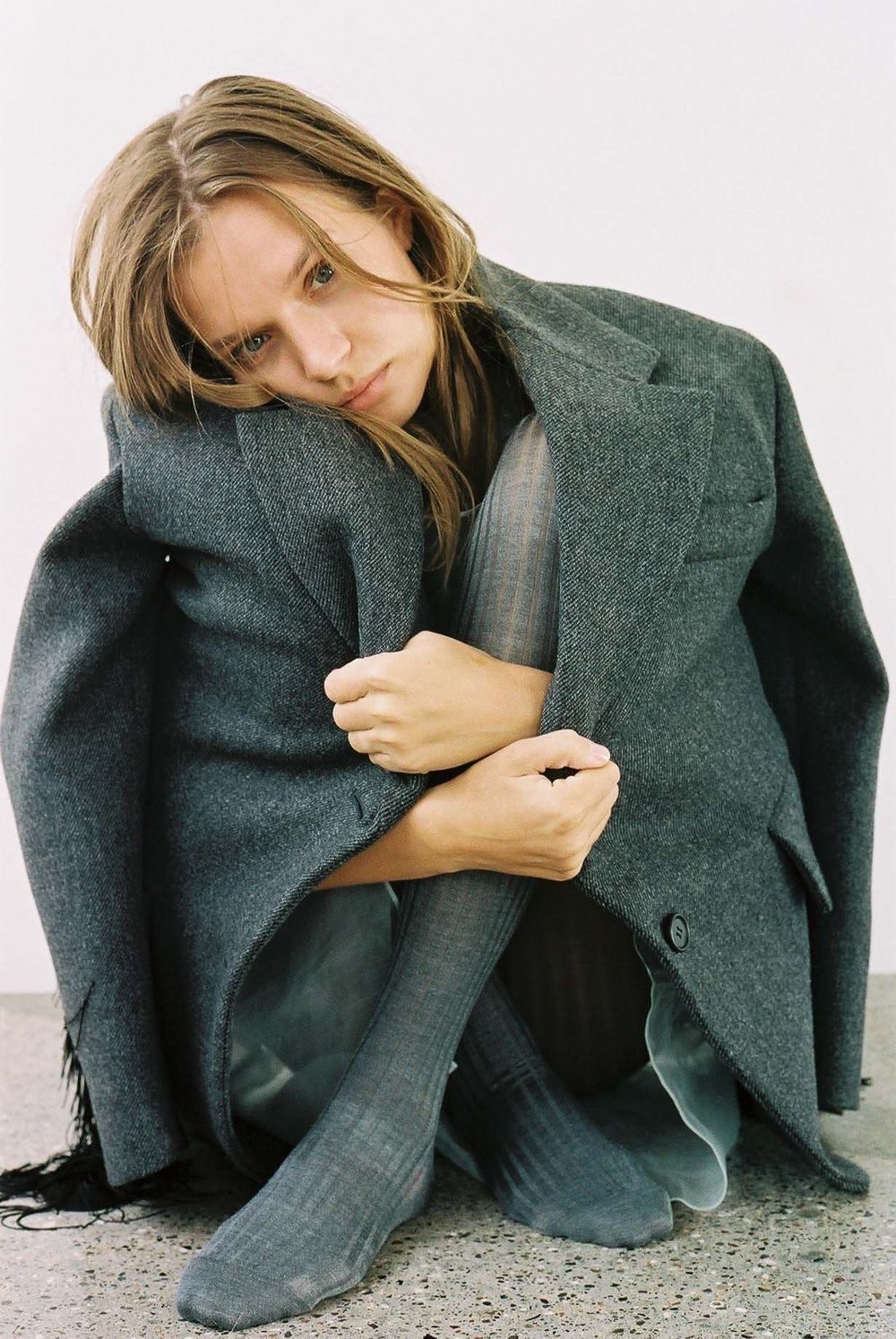
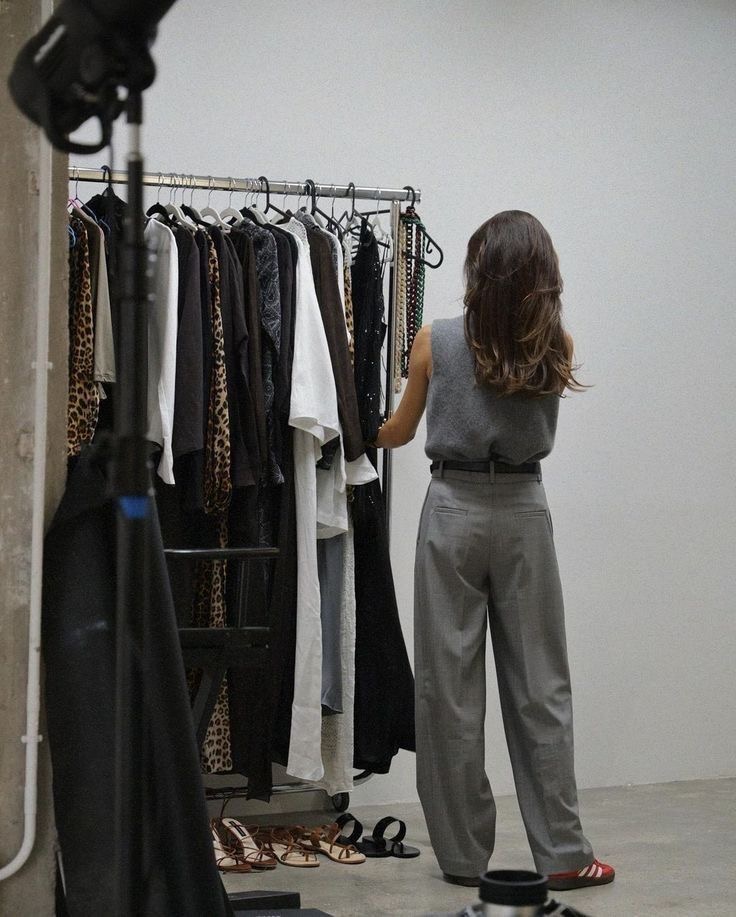
Things are not worn not because they are “bad.”
They are not worn because they were not about you.
A wardrobe that works as a well-coordinated system takes into account your lifestyle, preferences, and emotional state. And, given that it is a living, dynamic structure, the best thing you can do for yourself is to minimize imbalance.
Simply put, finding yourself begins with getting rid of the unnecessary.
How to implement this? Simple solutions to complex questions:
1 — Change the question from “Do I like this?” to “Do I want to live/move/dance in these clothes?” Do they improve my mood and state of mind?
2 — Look at your wardrobe as a whole system, where every detail is not accidental but fits well with the rest.
3 — Allow yourself to refuse to buy something. Not every item you try on or like at first glance has to end up in your closet.
Conscious shopping is primarily about having a deep understanding of yourself. It is always a choice that benefits you. And when it becomes an integral part of your life, your closet suddenly has fewer items and significantly more that you actually wear.
Share this post