All articles
Trends
GALLIANO × ZARA: A NEW LOGIC OF FASHION OR A CRISIS IN LUXURY
Together with stylist Anna Archevska, we break down one of the biggest news stories in the 2026 fashion industry—the John Galliano × Zara collaboration. How mass-market, luxury, and sustainable fashion are changing the rules of the game, and what this means for the future of style and the wardrobe.
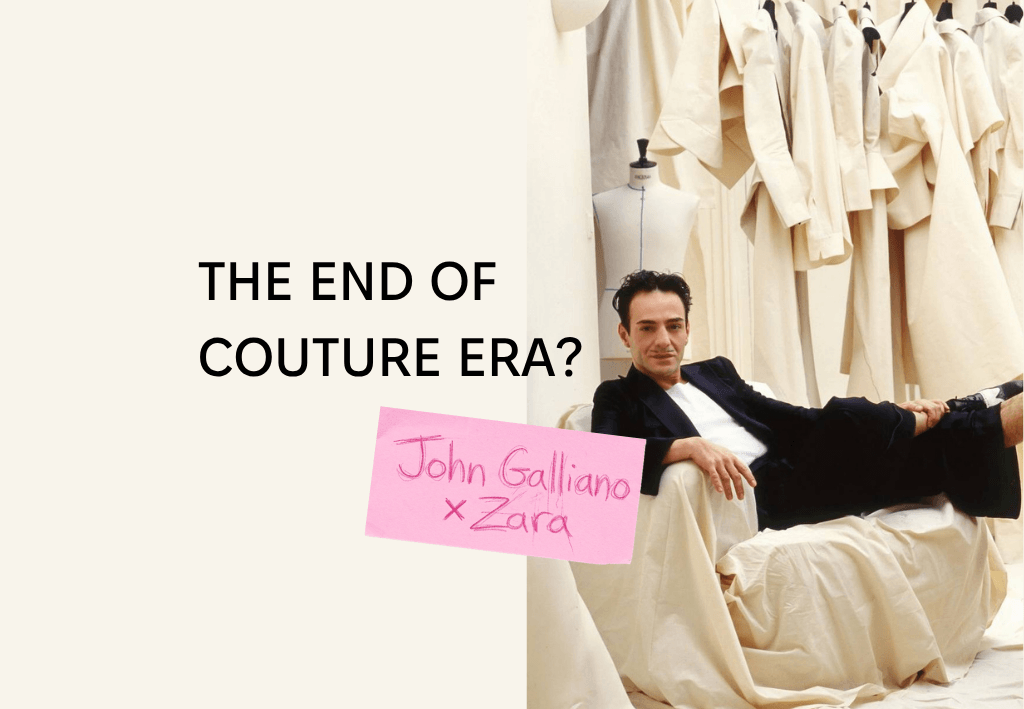
A month ago, the fashion world was rocked by controversial news: Spanish retailer Zara had signed a two-year creative agreement with designer John Galliano—he will be working on reinterpreting the brand’s archives. This is the designer’s first major project following a two-year hiatus that began after his departure from Maison Margiela in 2024.
Why, out of all possible alternatives, did Galliano choose Zara? We explore this in the article, drawing on the context of the modern fashion market, changing consumer habits, and the transformation of the very concept of style.
The partnership resulted from his meeting with the head of Inditex, the founder’s daughter, Marta Ortega Pérez, with whom the designer became close thanks to her cultural projects and exhibitions. Conservatives have already dubbed this the “death of couture,” but let’s cut to the chase: this is arguably the smartest business move of the decade, and it’s very much in the style of the expressive rebel Galliano. This is the moment when a great artist has finally gained the resources and creative freedom that “old-school luxury” can only dream of.

Today, luxury conglomerates are navigating a global crisis in ready-to-wear. Luxury is ceasing to be the benchmark, and with it, the approach to building a wardrobe and personal style is changing. Consumer spending power is declining, and quality issues previously associated with the mass market are becoming relevant for high-end brands as well.
And while major fashion houses try to explain the constant rise in prices, the financial figures speak for themselves. Zara's revenue
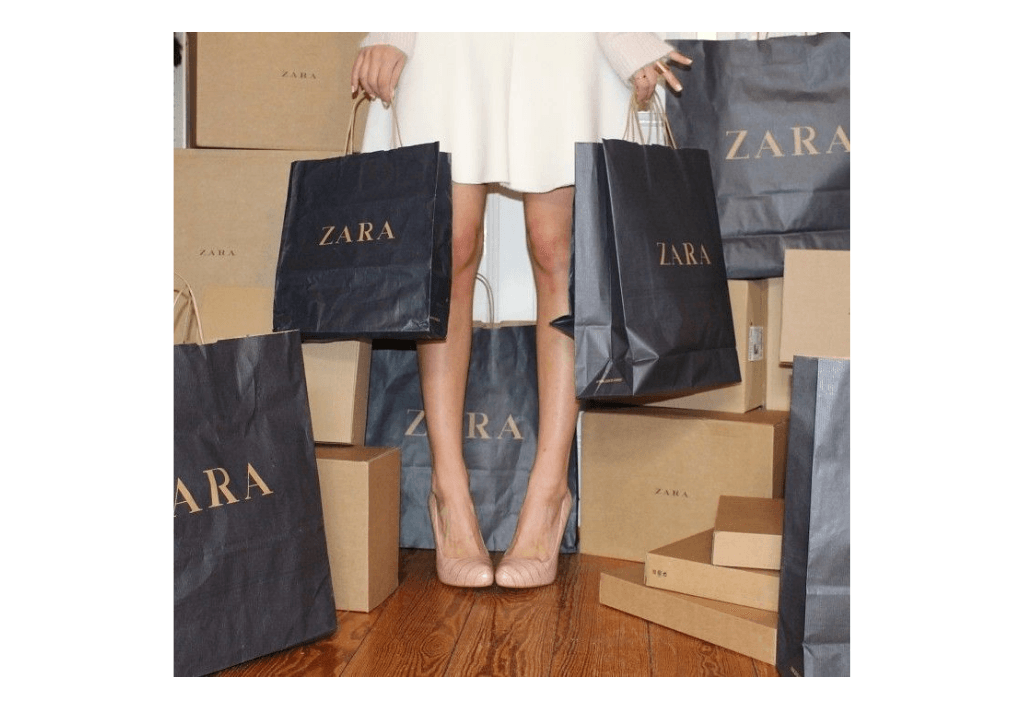
Zara offers Galliano conditions that virtually no traditional fashion house can afford today: his own atelier near Paris, a full technical base for experimentation, and minimal commercial pressure. The designer himself admits that this is the first time he has worked with such a large audience and such extensive resources. Instead of the grueling luxury schedule of 6–8 collections a year, he will release only two main lines, which changes the very approach to creating a fashion product.
The public has already criticized the high-profile statements about “Zara archives.” However, this is not about classic fashion archives, but rather about leftover pieces from previous collections, which Galliano will work with directly. This means deconstructing existing items and creating new designs by reimagining them.
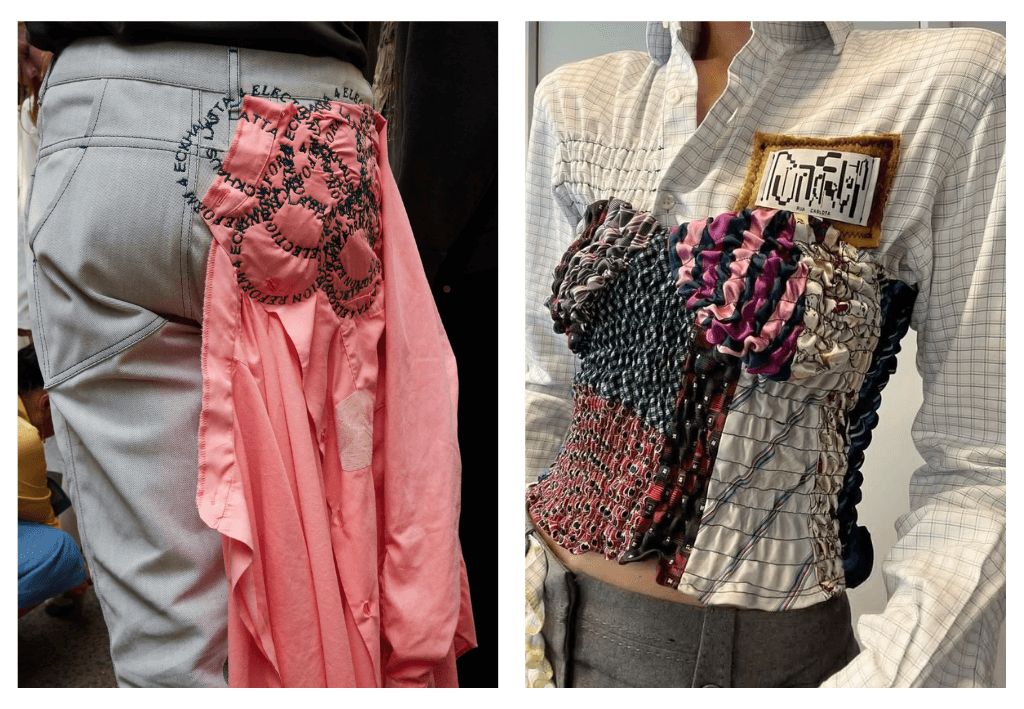
In fact, we see upcycling as part of the mass market, meeting the demand for sustainable fashion and a more conscious wardrobe. For Zara, this means a shift from copying to developing its own aesthetic and brand DNA.
Will Zara become more expensive? Definitely. But this isn’t just the effect of a big name. It’s a strategic move toward a new positioning—between fast fashion and luxury fashion. Since 2022, the brand has been actively working with designers and shaping a new level of perception through collaborations, visual campaigns, and products.
This case clearly demonstrates a shift in the logic of the fashion industry. Galliano chooses not status but resources, not tradition but the opportunity to influence.
This is further proof that modern fashion is moving away from a rigid segmentation toward a more complex system where context, concept, and how items are integrated into a wardrobe become key factors.
The first collection resulting from this collaboration is scheduled to be unveiled in September 2026.
The only question is whether the designer’s creative freedom within this collaboration will truly be unlimited—and to what extent. And what will we, as consumers, end up with—yet another basic jacket bearing a big name, or a product of the designer’s creativity at an affordable price?
Share this post