All articles
Stylist tips
THE ART OF COMPLETING YOUR LOOK: HOW TO CHOOSE HEADWEAR FOR THE FALL–WINTER SEASON TO GO WITH YOUR OUTERWEAR
This article is about how headwear affects the integrity of your winter wardrobe look. We analyze the balance of volume, shape, texture, and color, and explain why headwear is not a trend but a tool for personal style.

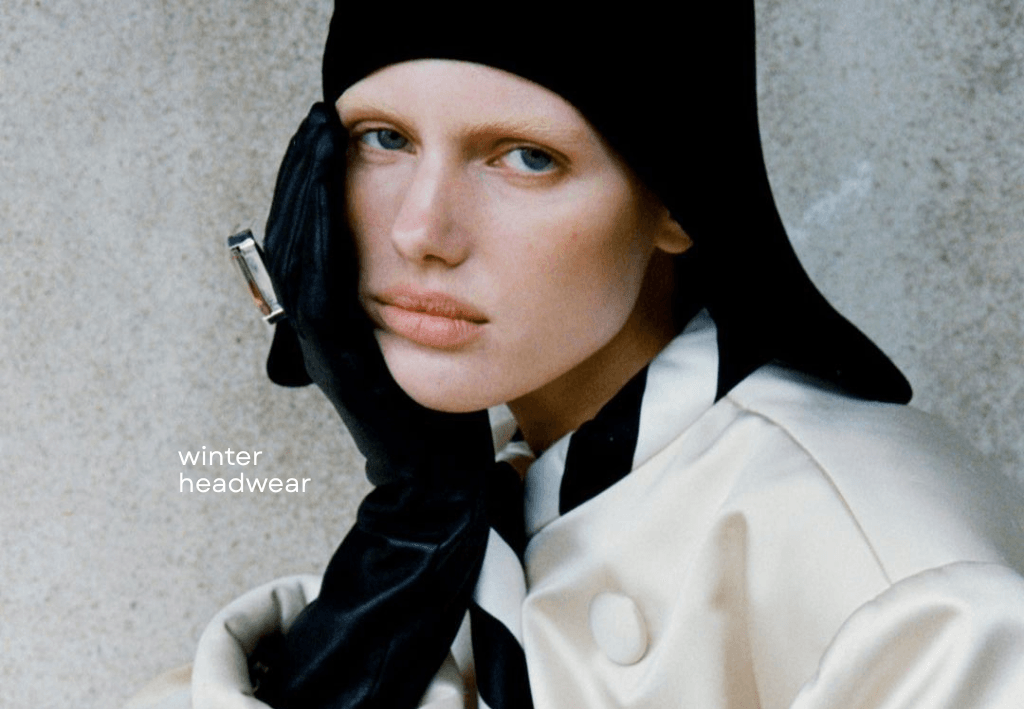
During the cold season, headwear becomes the detail that either brings the whole look together or instantly ruins even the most expensive, perfectly put-together outfit. It doesn't just protect you from the cold—it sets the mood, emphasizes your personality, and defines your style. Winter is the time when accessories speak louder than jewelry, and shape, material, and fit are more important than trends. This is where style goes beyond functionality and becomes a form of stylish self-expression.
Therefore, it is worth following these rules when choosing headwear:
Balance of volumes
Voluminous outerwear, such as a down jacket, oversized coat, or fur coat, requires restrained and clean shapes. The more massive the clothing, the more concise the headwear should be. And vice versa: a minimalist coat allows for more complex textures or more expressive shapes. It is the balance of volumes that preserves elegance and does not overload the entire silhouette.
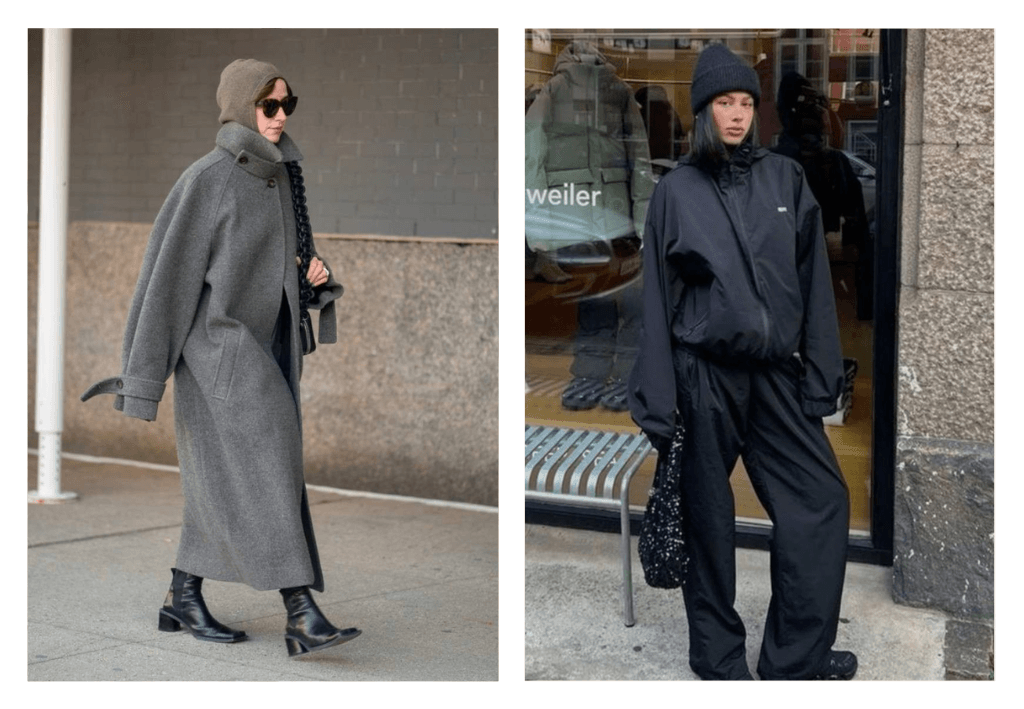
Form dictates shape
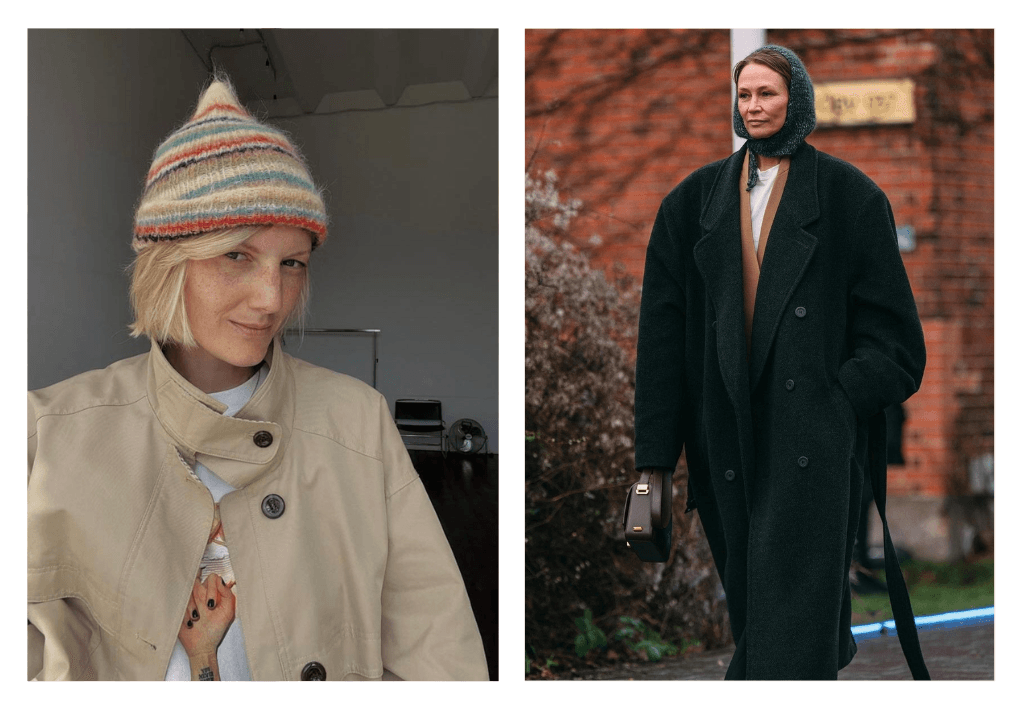
The silhouette of outerwear is always the starting point. A structured coat with clean lines “loves” geometry — smooth, well-thought-out silhouettes of headwear without unnecessary decoration, such as a panama hat, cap, or hat, or, conversely, a play on contrasting styles, such as a beanie, baseball cap, balaclava, or earflap hat. Soft, flexible coats or sheepskin coats go well with equally soft shapes (berets, balaclavas, beanies). Fur coats are soft in shape by themselves, so it is tempting to add a little structure by adding hats with wide or narrow brims, caps from Baginsky, or sports baseball caps to play on the contrast. Puffer jackets require functional and simple solutions where the shape does not compete with the dynamics of the image, so you can safely choose beanies, caps, berets, earflap hats, or knitted scarves.
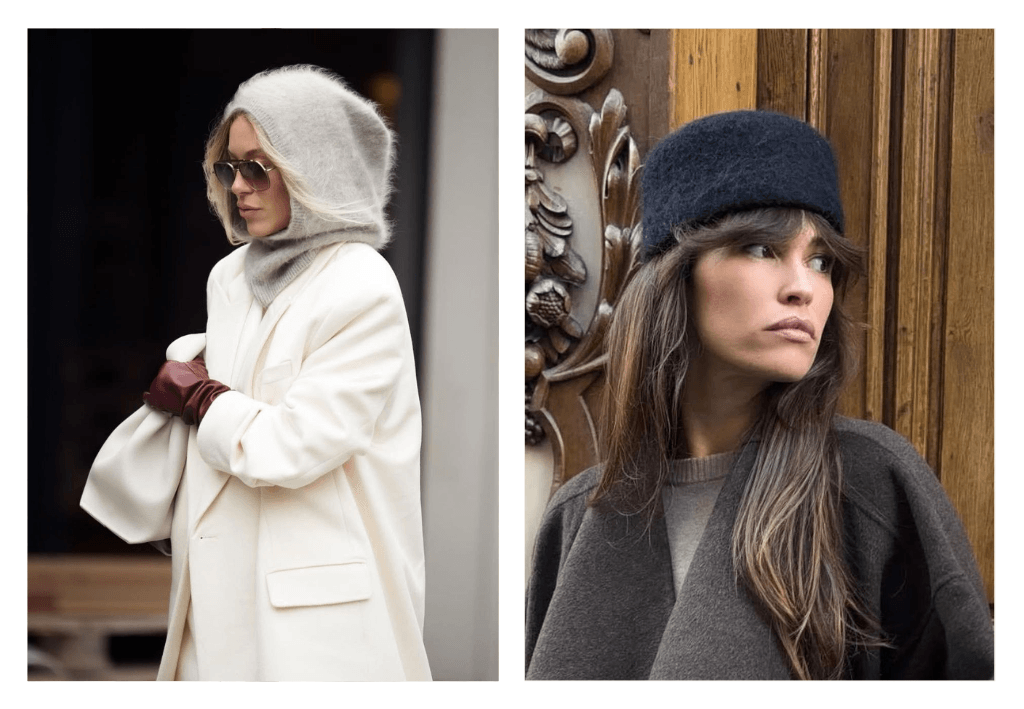
Texture as another language of style
Wool, felt, cashmere, alpaca, and mohair are must-have materials that always look more expensive and keep you much warmer, while also adding depth to your look thanks to their active textures. The smooth texture of headwear adds restrained elegance to an outfit, while a fuzzy texture adds depth even to everyday looks. It is important that the texture of the headwear does not clash with the fabric of the outerwear and does not repeat it, but rather continues its story.
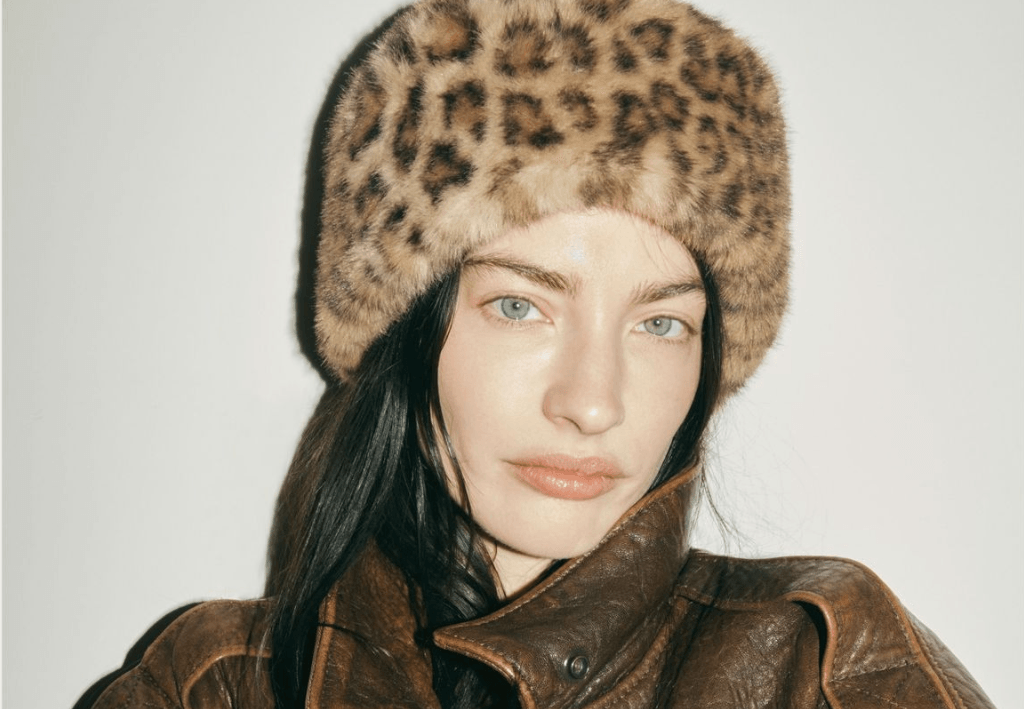
Color: support or deliberate contrast
A simple and elegant solution is to repeat the color of the outerwear or choose its undertone. This creates a sense of integrity and thoughtfulness throughout the entire look. Color contrast is also possible and can work as a stylish statement and accent. A neutral color palette, such as black, shades of gray, and milky (it works better with the portrait area than pure white), also remains a universal base for everyday wardrobe.
Facial features are more important than trends
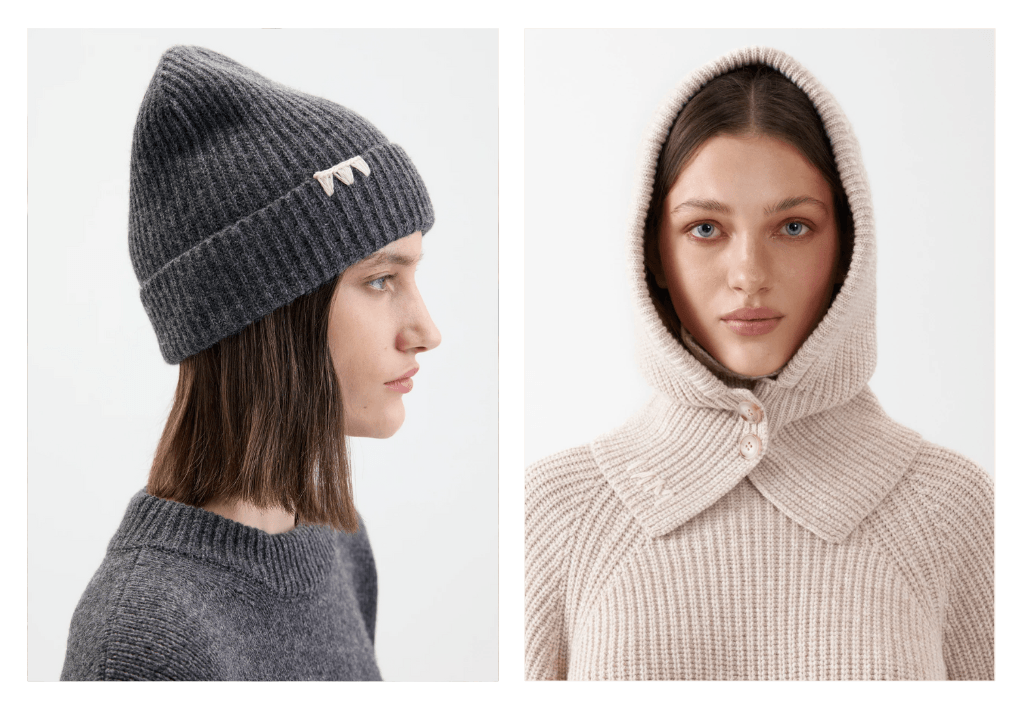
Fashion changes, but your facial features are with you forever. The height of the headdress, the width of the brim, the volume, and the depth of the fit should emphasize your facial features, not distract attention. What looks impressive on the catwalk or in street style does not always work in real life.
Headwear as a reflection of character
It says more about a woman than meets the eye. It speaks of confidence, inner balance, and self-awareness. This is where style becomes personal rather than trendy. Often, it is this element that makes an image personal and truly recognizable.
A winter wardrobe starts not only with outerwear, but with an understanding of the details. A properly chosen headwear is not about fashion as a trend, but about style as a system.
Share this post