All articles
Stylist tips
POWER DRESSING: BROAD SHOULDERS AS A TOOL FOR CONFIDENCE
Power dressing is not about aggression or ostentatious strength, but about inner composure and confidence. In this article, we examine how broad shoulders and structured cuts work today, why this technique is making a comeback, and how to integrate it into your modern wardrobe without overdoing it.
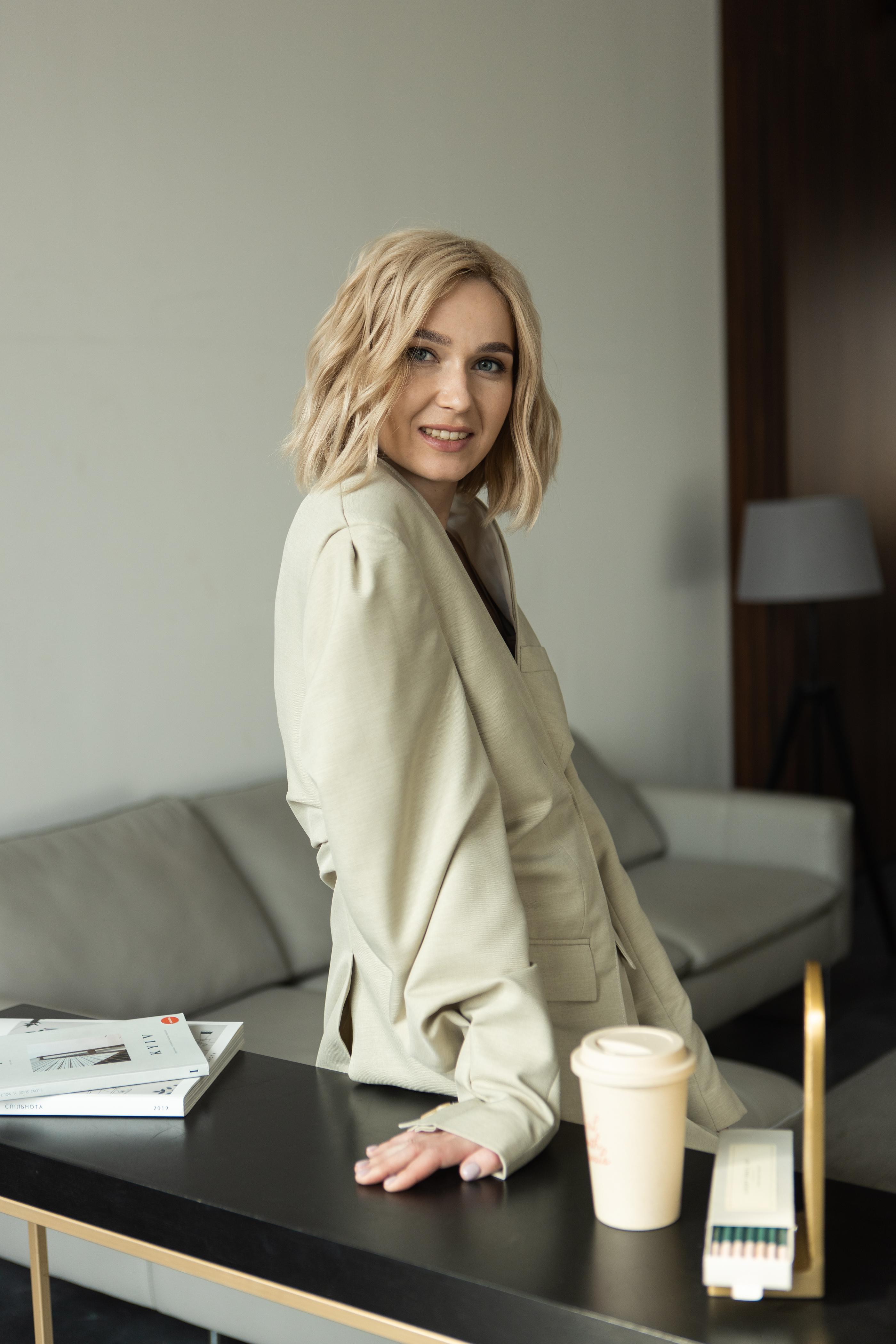

Where did power dressing come from?
This style of clothing emerged in response to women's demand to receive the same opportunities from the world that had long been available to men — or at least to get closer to the same level of freedom, fulfillment, and influence.
In this context, styling is more than just aesthetics. If we think of clothing as a tool, then in response to the demand “we want the freedoms of men”, fashion essentially replied: “dress like men”.
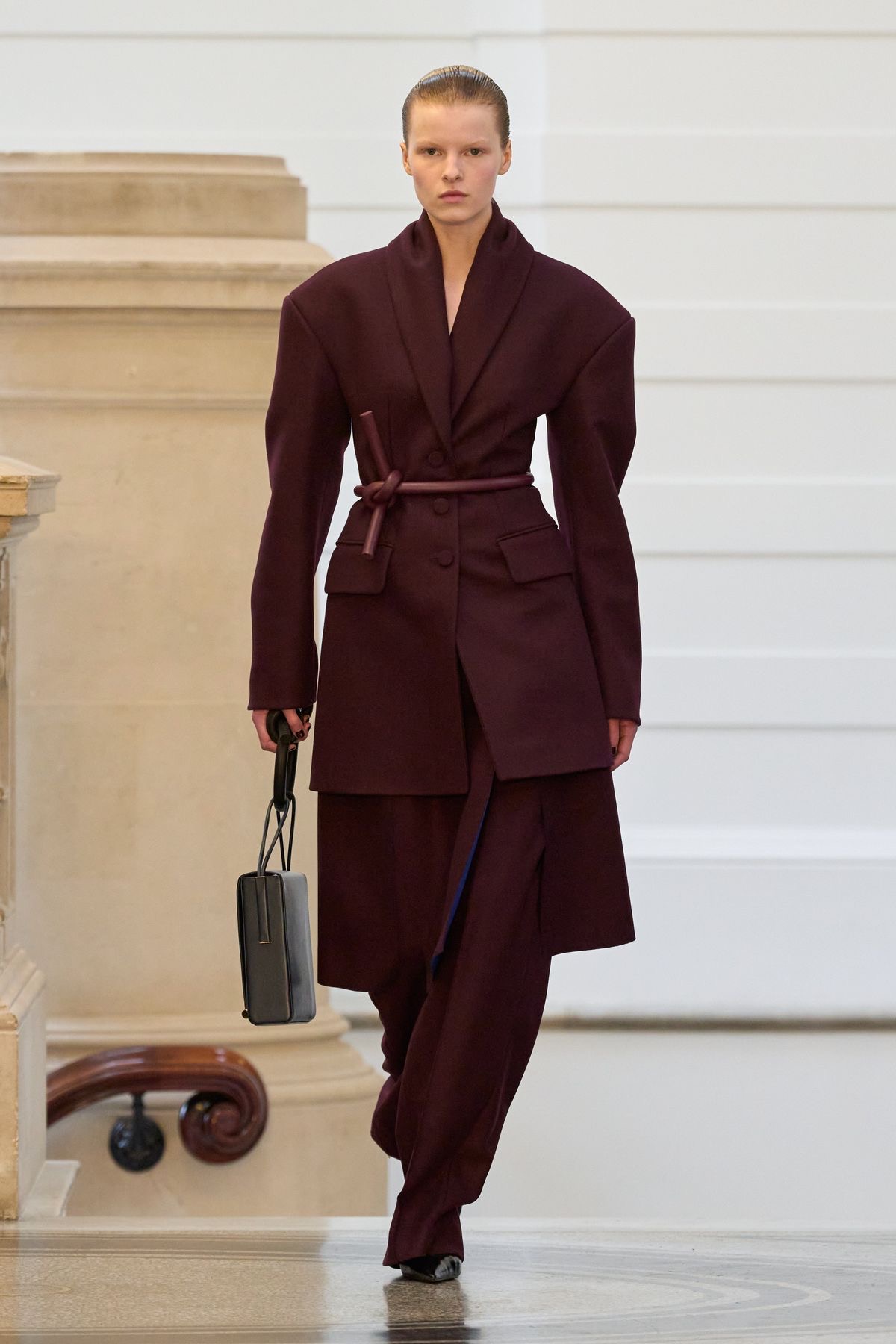
This is where the inverted triangle silhouettes come from — a shape that we interpret as the concept of the male figure. Broad shoulders, clean lines, structured cuts, and understated accessories form a visual language of strength, stability, and control.
Historical context and return to relevance
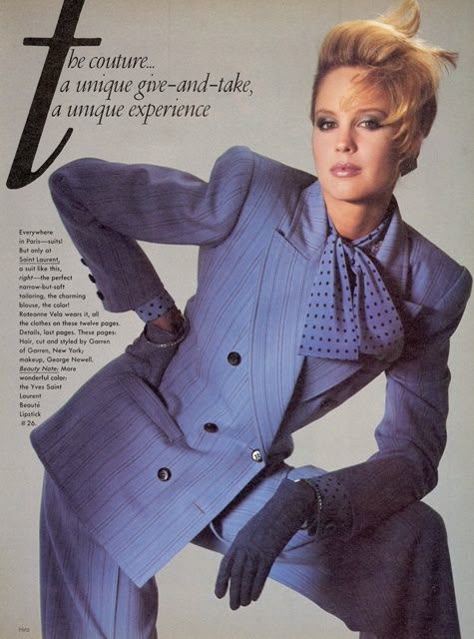
The concept of power dressing emerged in the 1970s and became widely adopted by independent women in the 1980s. It was during this period that women began to actively take on political, managerial, and public roles—and needed external support to help them feel confident in their new environment.
Wide shoulder straps became a visual equivalent of strength. Jackets, blouses, and coats with a corresponding cut came into fashion.
The symbols of this style were Margaret Thatcher and Princess Diana — different manifestations of the same aesthetic:
- Thatcher used rigid forms as a tool of control;
- Diana represented soft power, but with a clear, collected silhouette.
In the 2020s, power dressing is making a comeback, compensating for the instability of the modern world through form. Pandemics, wars, global changes — all of this is inevitably reflected in fashion.
Another factor is the shift from sexuality to subjectivity. There is also a transition to digital communication, where the upper part of the silhouette is most active, and impressions are often limited to the screen frame.
At the same time, today we wear strength not for combat, but for inner composure.
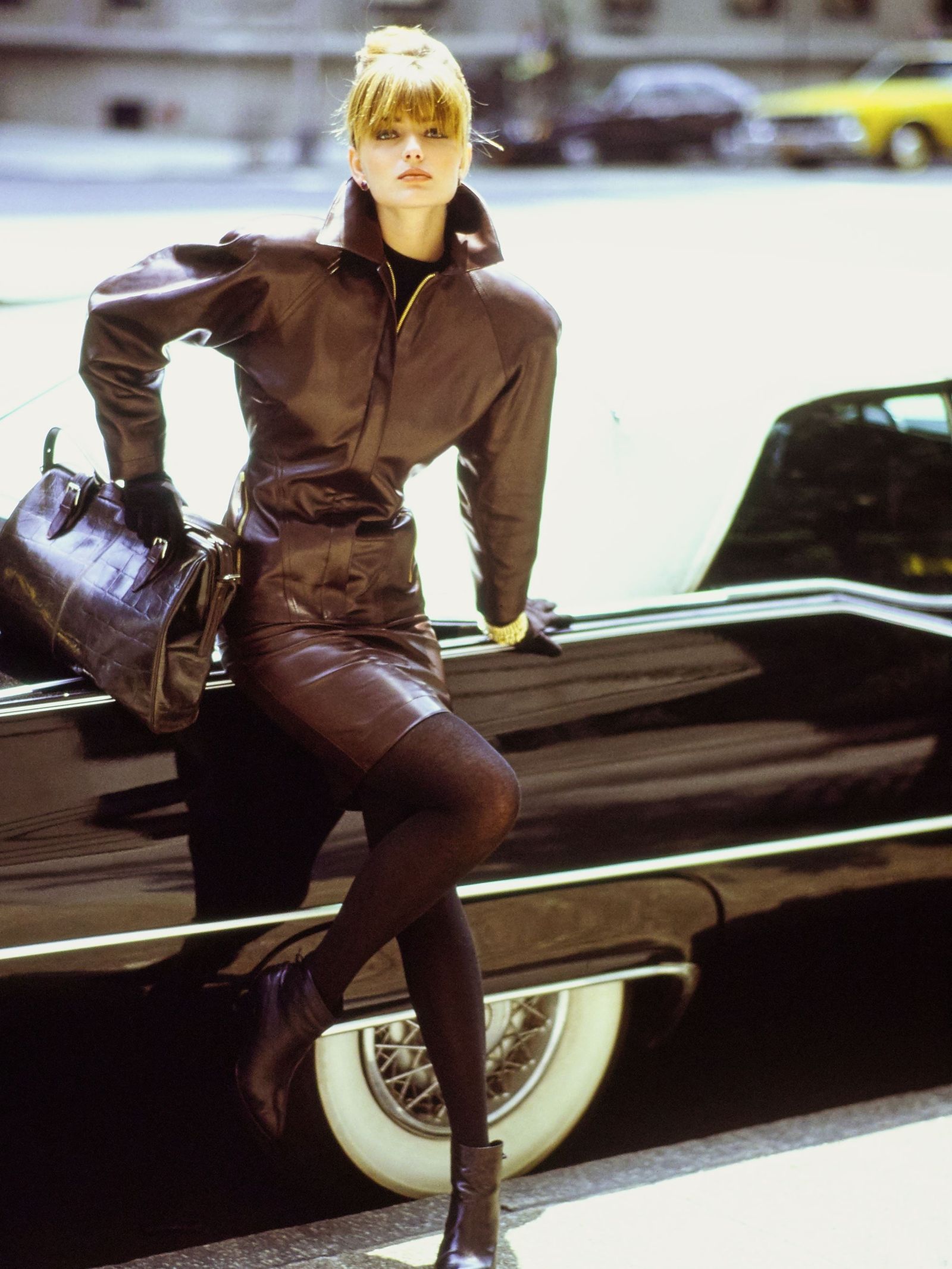
How power dressing works today: through clothing
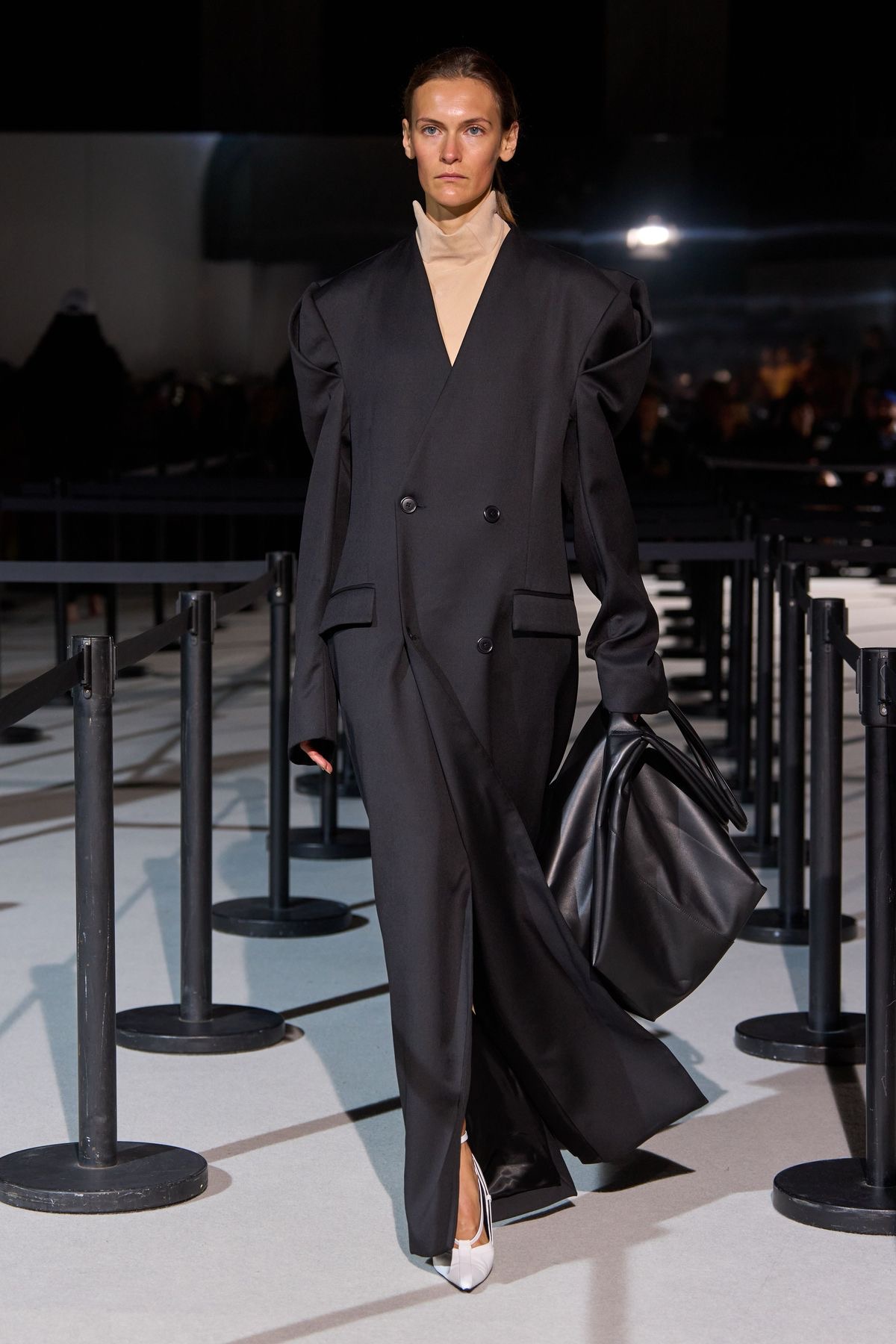
Outerwear
The modern powerful look is shaped by:
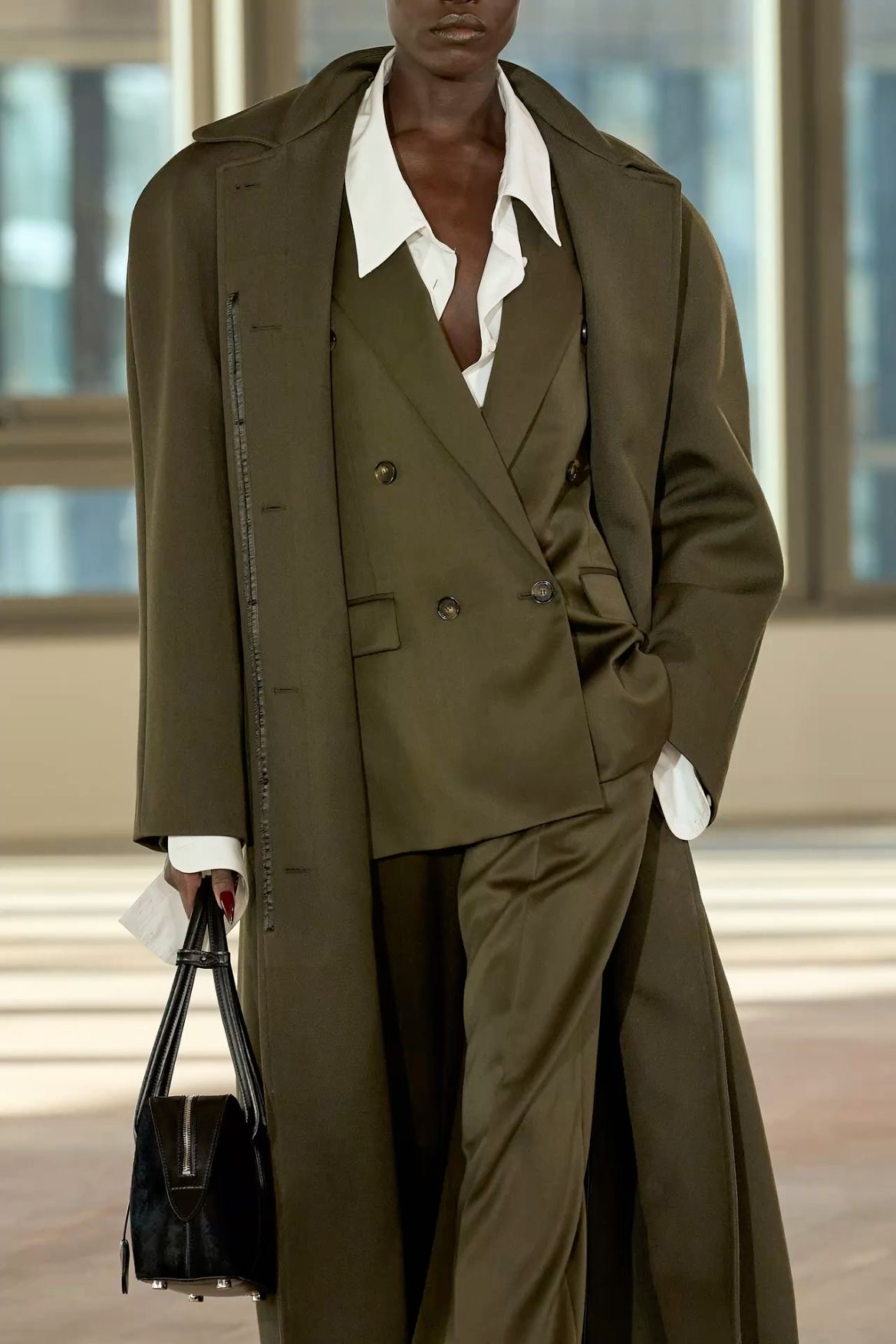
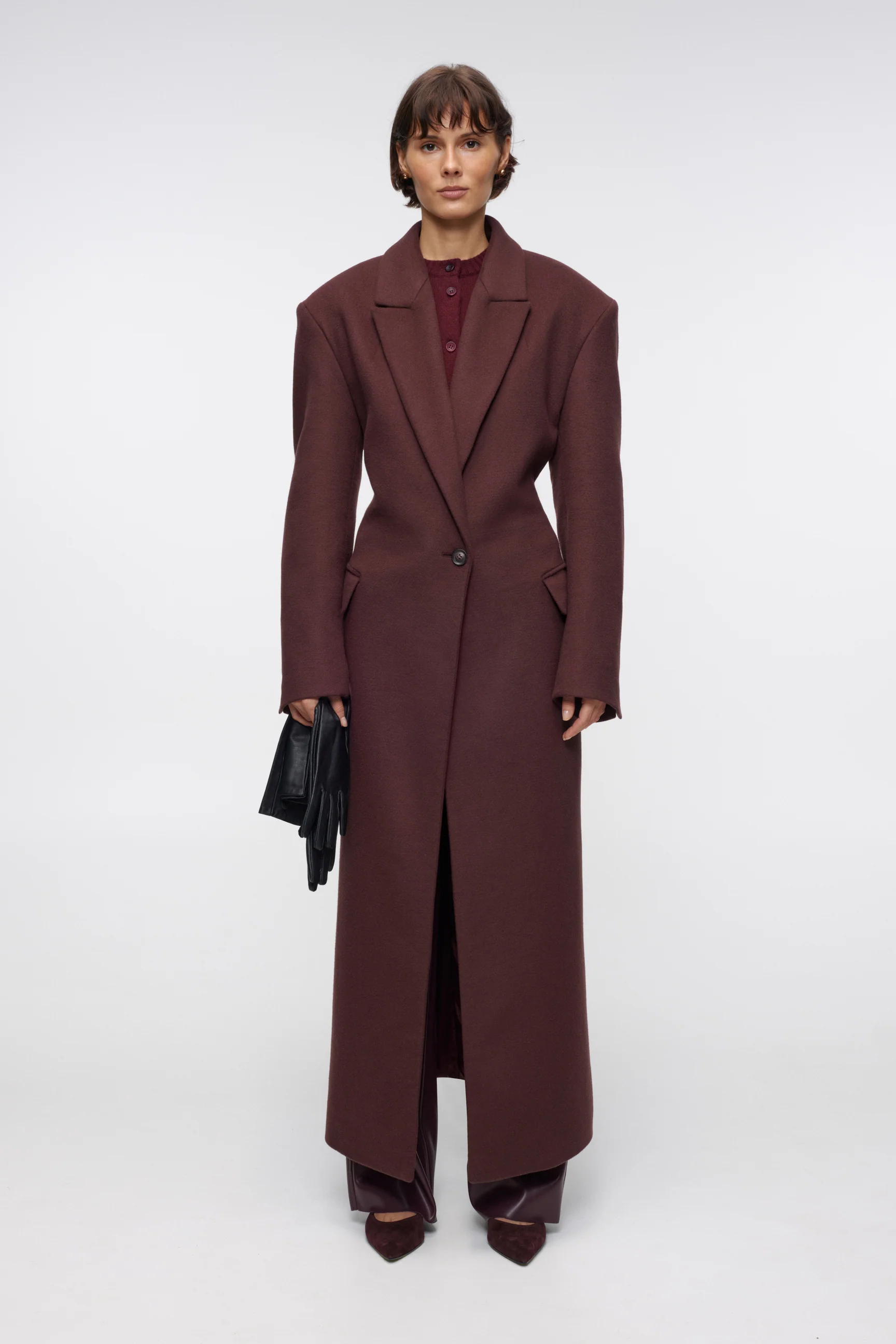
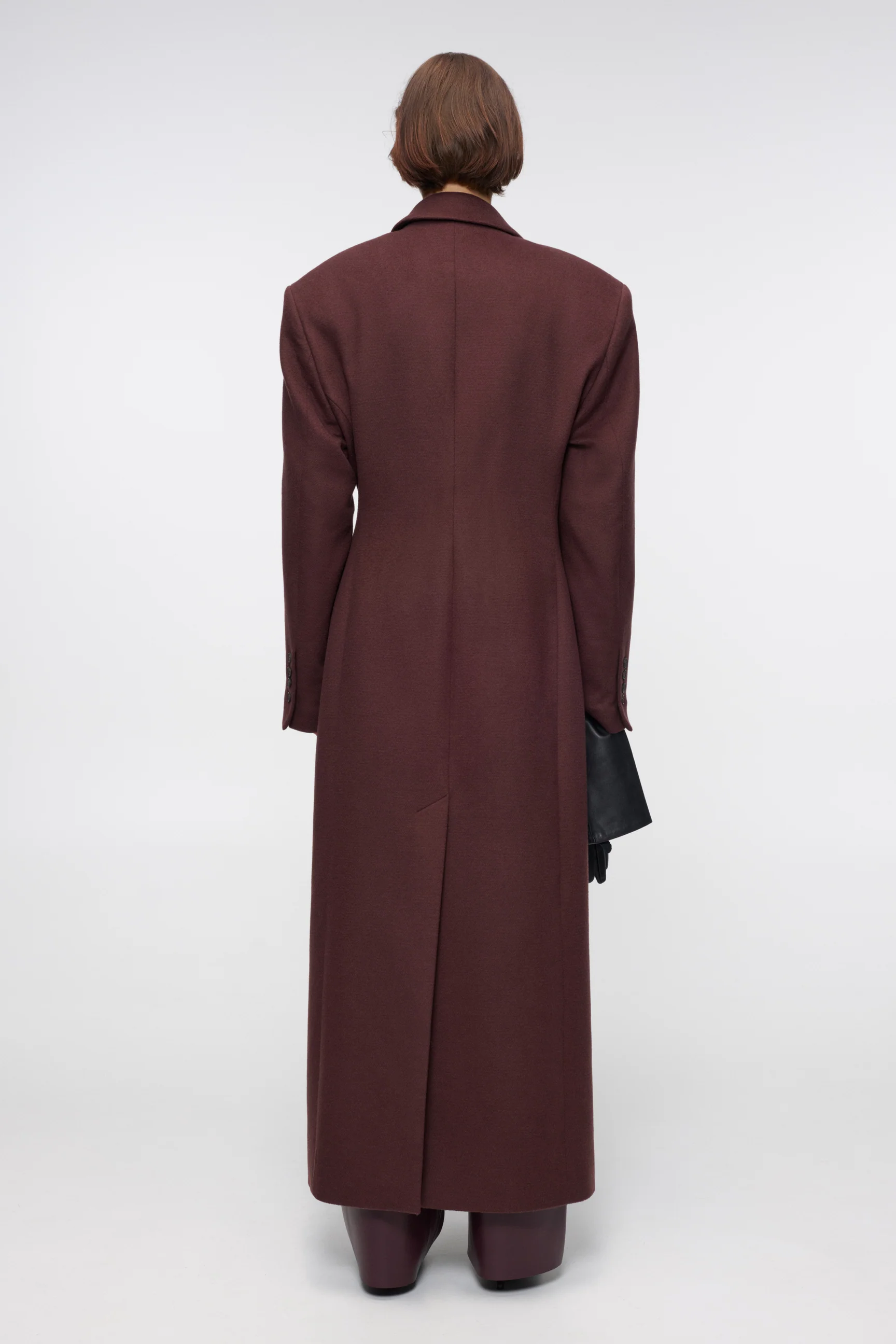
- coats with a clear shoulder line
- trench coats with a structured top
- oversized models with a controlled shape
Such items create the effect of a collected figure and strong posture even in minimalist looks.
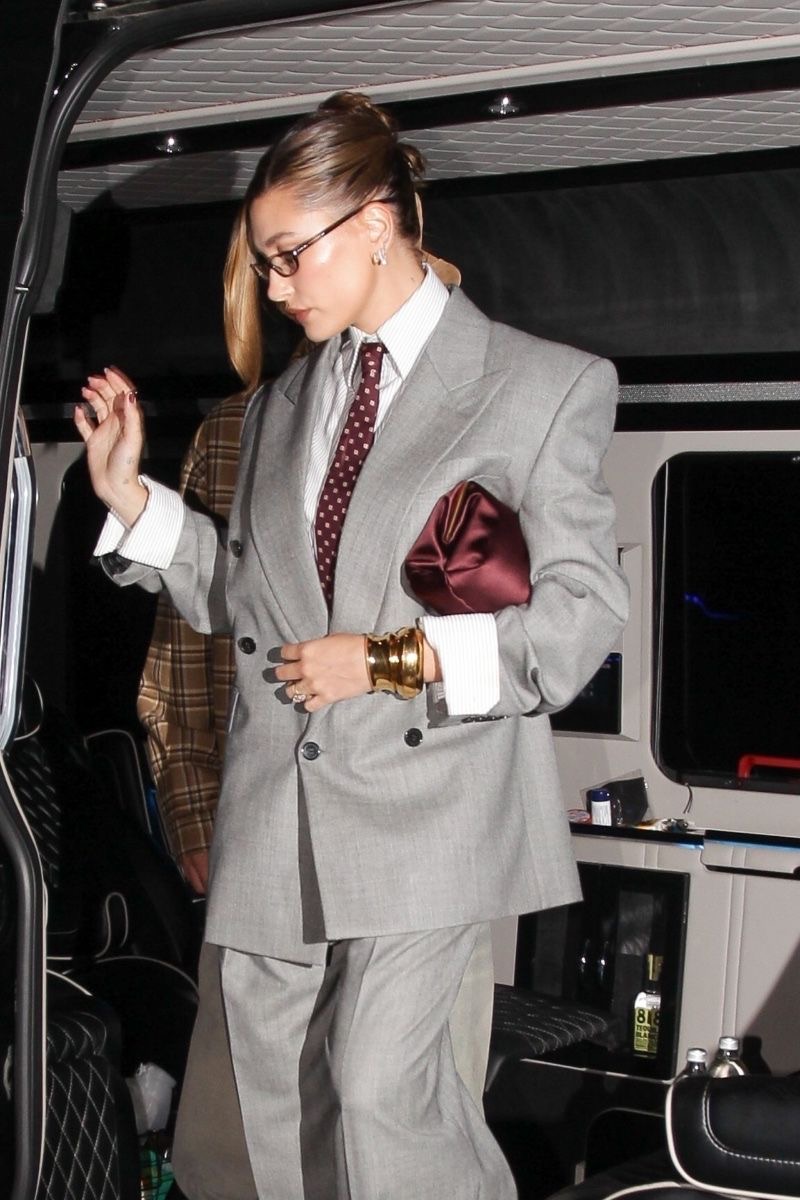
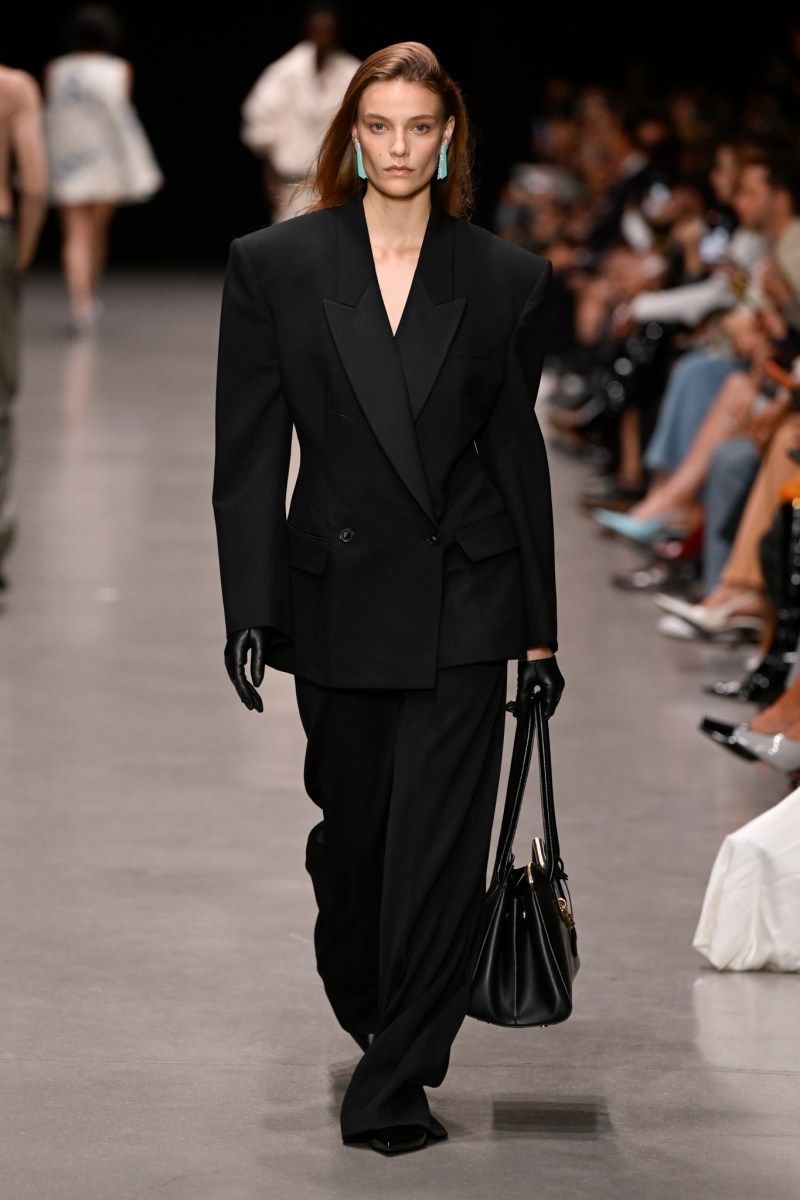
Jackets and blazers
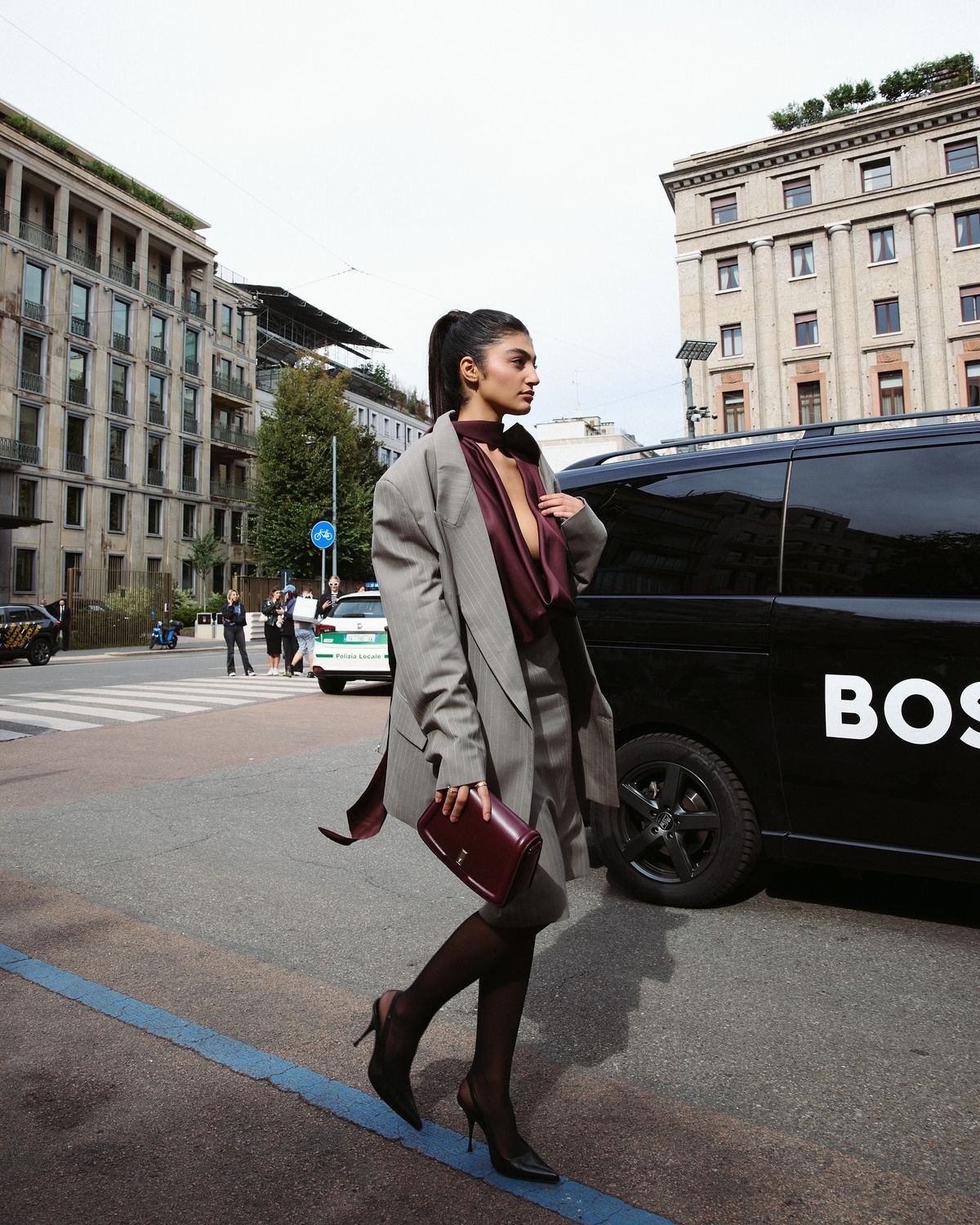
Most often they have:
- straight or slightly flared shoulders
- soft or hidden shoulder pads
The balance is easy to maintain: a voluminous top + a calm, neutral bottom.
Without a jacket
The look can also be confident if the top has:
- accentuated shoulder seams
- draping, folds, overlays
- dense fabrics that hold their shape well
These can be blouses, shirts, or tops with an emphasis on the shoulders.
Dresses
A dress can be part of power dressing if the silhouette works:
- extended shoulder area
- structured top
- soft, balanced bottom
The decor here is either minimal or absent. Form is the main carrier of meaning.
Features of modern styling
To avoid turning your look into nostalgia for the 1980s, it is worth adhering to a few principles.
1. One strong accent
One strong element is enough. A jacket with pronounced shoulders does not need additional decorative complications.
2. Volume, not pressure
Modern strength is conveyed through plasticity and comfort. It is better to choose natural or flexible fabrics that do not constrain the body.
3. Balance of proportions
An accentuated top requires:
- a restrained bottom with straight lines
- stabilization through footwear (heels or thick soles)
4. Don't overdo it
Total masculinity looks outdated. Simple combinations, matte textures, and a restrained palette work well. Form over decoration.
When power dressing is particularly appropriate
This technique works in both directions: from the inside out and vice versa.
- during periods of change (new job, new environment);
- during conferences, speeches, important negotiations;
- in situations where you feel like an impostor.
A structured image adds inner support, coordinates movements, and helps you get through the fake it till you make it period.
Power dressing today is not about trends or strict rules. It is a tool that can be adapted to suit your needs and used when necessary.
It is another manifestation of the psychology of clothing that naturally integrates into modern reality.
Share this post