All articles
Stylist tips
FUNCTIONAL LAYERING IN WINTER OUTFITS
In this article, we break down functional layering: how to put together winter outfits for different weather conditions, which materials really work, and why warmth and style can coexist.

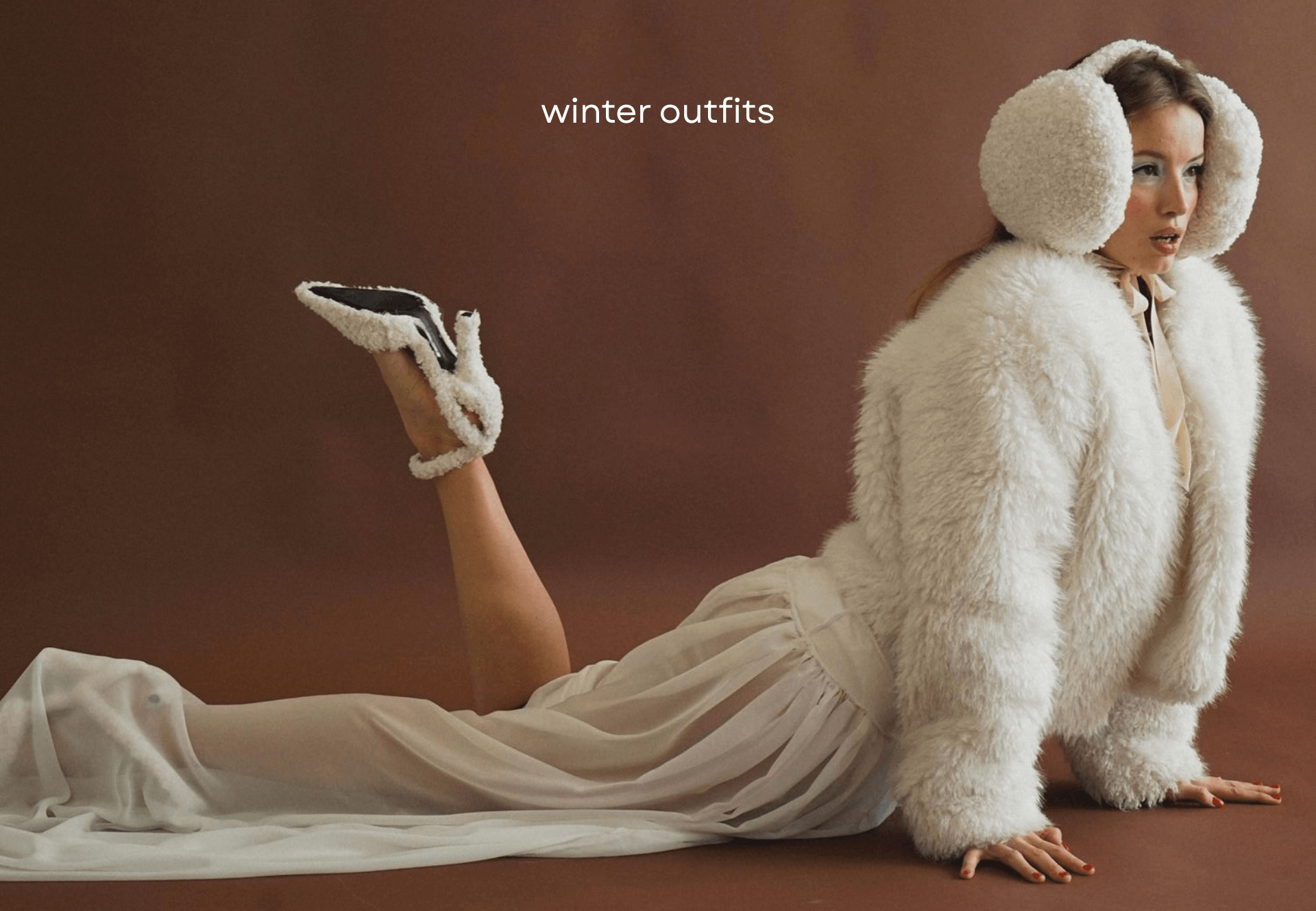
We often ignore winter outfits, waiting for “better, warmer, more comfortable” times for stylish outfits. Warmth is great, comfort is wonderful, but is it worth depriving yourself of a confident look just because of the weather? No, if you understand the logic behind building a functional winter outfit. Winter is unpredictable: frost, wind, humidity, wet snow, sometimes all at once. But modern materials and the right layering allow you to survive even the harshest scenarios — without losing your style.
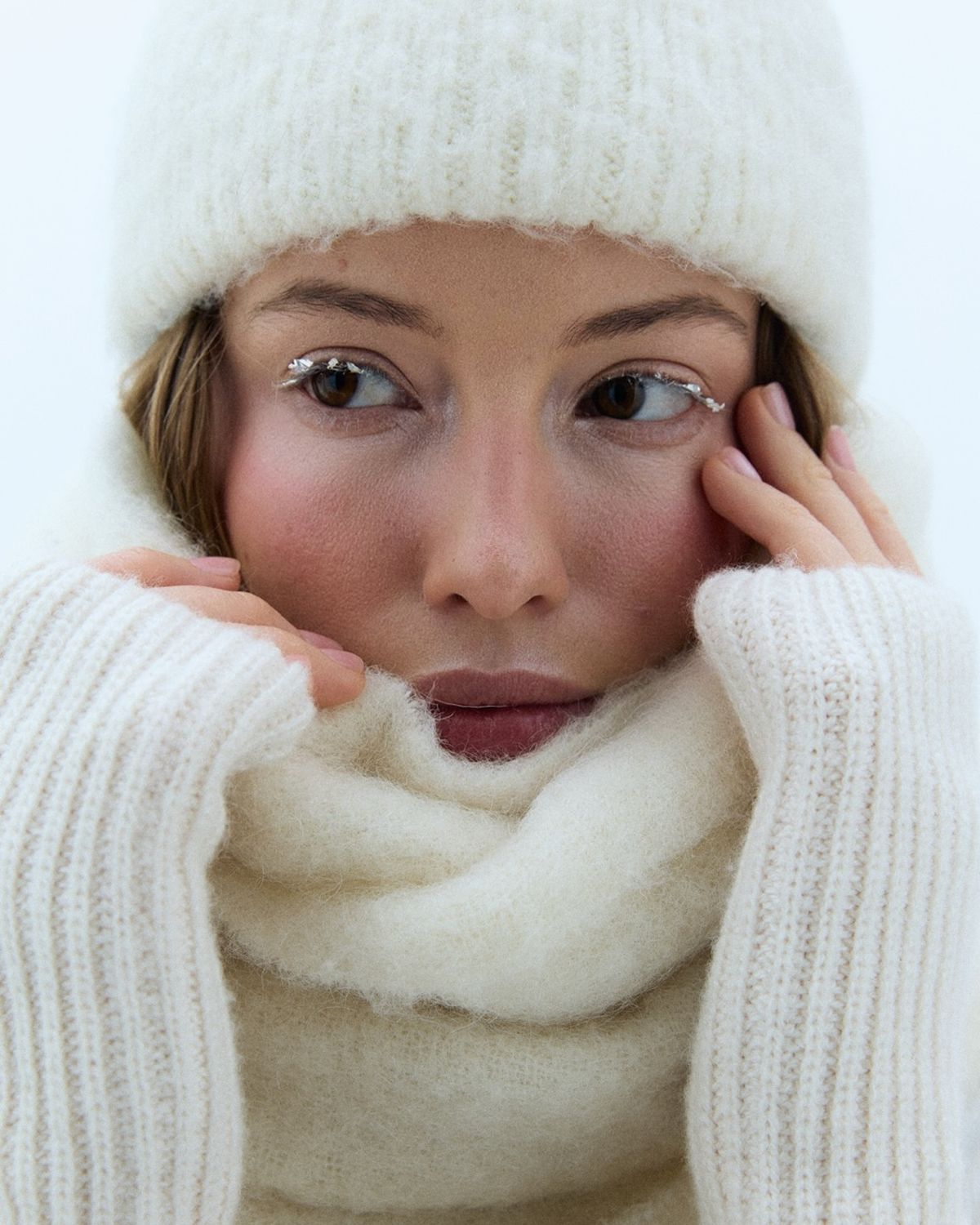
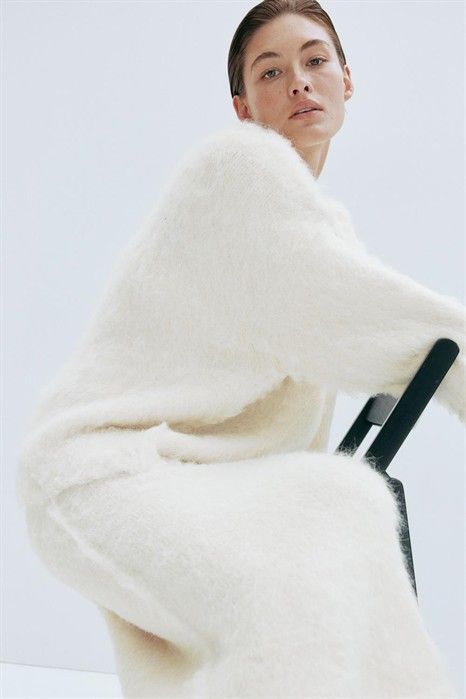
3 layers — the basis of a winter outfit
Each layer has its own function. And if you don't follow this rule, even an expensive down jacket won't save you.
The base layer regulates moisture. An unsuitable long-sleeved shirt means you will feel cold even in warm outerwear.
The middle layer is responsible for warmth. It is not the thickness that matters, but the material.
The outer layer protects against wind, water, wet snow, and everything else that makes the cold unpleasant.
Different conditions = different formulas
Let's conditionally distinguish five types of winter scenarios:
- wet cold
- dry winter
- deep sub-zero temperatures
- windy winter
- wet frost Each of them requires its own structure. The formula “sweater + coat” is not a magic pill.
Layering formulas for each type of weather
Wet cold (0…+5°C)
Weather that “soaks you to the bone.” The goal is to avoid overheating and getting wet.
Formula:
- base layer: thermal longsleeve or thick longsleeve
- warm layer: light fleece or thin wool
- outer layer: membrane raincoat / trench coat / parka
Bottom: wool or thick denim + thermal tights
Footwear: membrane or insulated leather boots/boots
Nuance: merino wool keeps you warm even when wet; cashmere is weaker in wet conditions.
Dry winter (−5…0°C)
Classic comfortable cold.
Formula:
- base layer: light thermal or cotton
- warm layer: cashmere/merino wool
- outer layer: wool coat or medium-weight down jacket
Bottom: wool or denim
Footwear: leather with light insulation
Tip: if you often go indoors, don't take a down jacket that is too warm.
Extreme cold (−10…−20°C)
Here we are already working according to the rules of survival, but with style.
Formula:
- base layer: warm thermal (wool or high-tech)
- warm layer 1: fleece or thick merino wool
- warm layer 2: thin down jacket or down vest
- outer layer: down jacket or technical parka
Bottom: insulated pants / thermal pants
Footwear: boots rated to −20°C
Accessories: balaclava, hat, gloves — no exposed skin
Windy winter
Even a slight drop in temperature feels like −15°C.
Formula:
- base layer: thermal
- warm layer: fleece or merino wool
- outer layer: membrane or down jacket with wind protection
Bottom: thick jeans/eco-leather pants + tights/thermal leggings
Wet frost (−2…−7°C)
Wet snow + sub-zero temperatures = heat loss many times faster.
Formula:
- base layer: medium-density thermal clothing
- warm layer: thick merino wool or fleece
- outer layer: membrane down jacket or parka
Bottom: warm pants + thermal leggings
Footwear: waterproof boots
Nuance: wool with synthetics keeps its shape better and does not absorb moisture.
The universal formula: “one outfit — three weather conditions”
To avoid having to assemble a separate wardrobe for each winter condition, keep this short cheat sheet handy:
+5…0°C (damp cold): base layer + light wool + raincoat
0...−5°C (dry winter): base layer + medium-weight wool + coat
−10°C and below: base layer + heavy wool + down jacket + down coat
The logic is simple: each subsequent layer adds +1 warm layer.
Materials that really work in winter
- Merino wool — keeps you warm even when wet, dries quickly.
- Cashmere — soft, warm, but does not like high humidity.
- Fleece — lightweight, technical warmth.
- Down — pay attention to the loft and the down/feather ratio.
- Membrane — protection from water and wind.
- Footwear — insulation + water-resistant upper.
The best choice for thermal underwear is Uniqlo (3 technological lines of different densities). Warm knitwear and wool — easy to find among Ukrainian brands on gettstyle.com
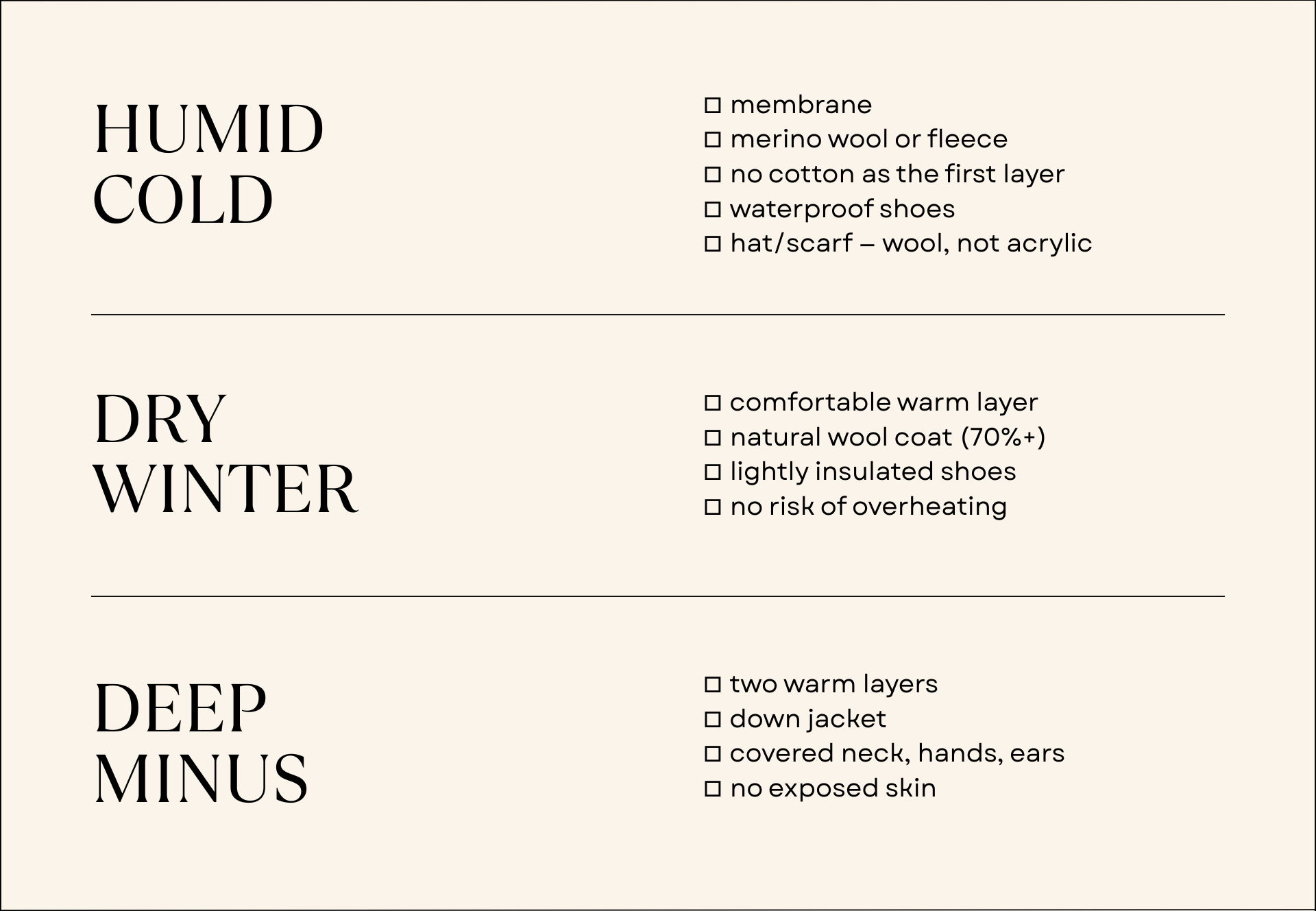
Winter isn't about suffering. It's about structure. Properly assembled layers = comfort as the norm. Style is the result of practical solutions, not heroism. Then adapt these formulas to your pace, your materials, and your silhouettes. On this basis, you can build everything from calm minimalism to complex style combinations.
Share this post