All articles
Stylist tips
5 TIPS ON HOW TO FIND YOUR STYLE
Style is not just about appearance. It is a tool to express yourself, feel confident, and create an image that works for you. Stylist Masha Vainer has put together five simple steps to help you find your own style and make it unique.
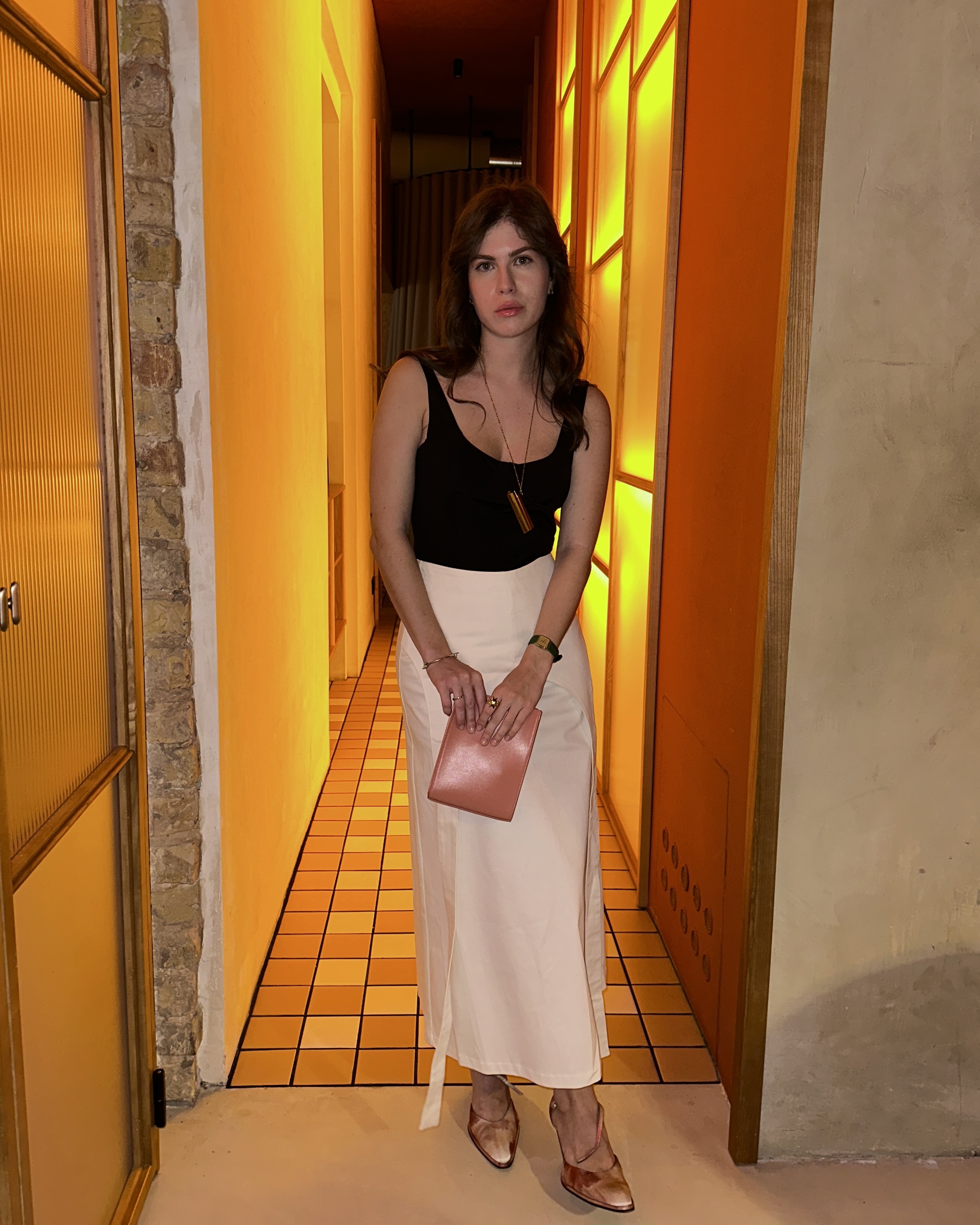
Clothing is not just about appearance. It is a tool we use to manage impressions, make statements about ourselves, and convey our personal vision. Style acts as a subtle but effective marker of identity: it shapes first impressions, influences how we are perceived in society, and even helps us feel more confident and composed. Here are five steps to help you develop a style that works for you.
Tip 1. Understand who you are: your vision is the key to style
Think about what you really like: art, interiors, architecture, decorative items. Browse through lots of pictures on Pinterest and save the ones you like.
Write or create a mood board: colors, shapes, textures that attract you. Anything that reflects your personality.
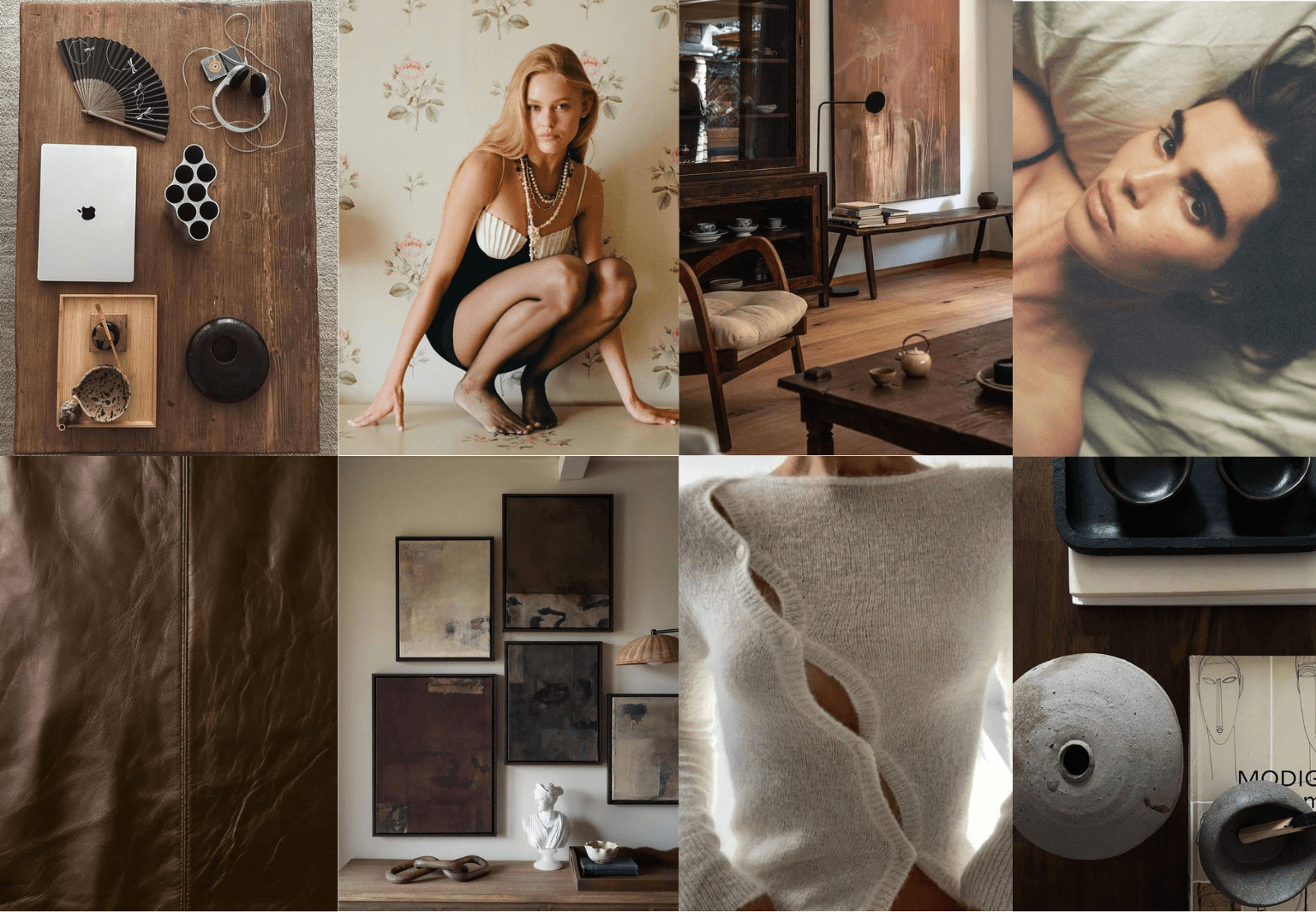
With these references, you will better understand the aesthetic guidelines that can become the foundation of your style. You will see what is more characteristic of you in different areas, what is repeated, and what is a specific touch. This will help you identify the main and secondary vectors in your wardrobe.
Tip 2. Listen to your inner state and comfort
Style should never weigh you down — emotionally or physically. After looking through photos on social media and saving references, make sure that this is really you. We often pay attention not to the details, but to the personality that shows them to us.
In this case, it is important to separate your own vision and comfort from other people's perceptions of you. You can sincerely admire an influencer and her looks, but clearly understand that this is not about you. It is important to find your own comfort zone and boundaries in style. Something that will be the core, that will not require compromises that you are not ready to make.
For example, this may apply to heels and your unwillingness to wear them all the time. This does not negate your admiration and appreciation for those who see their daily comfort differently.
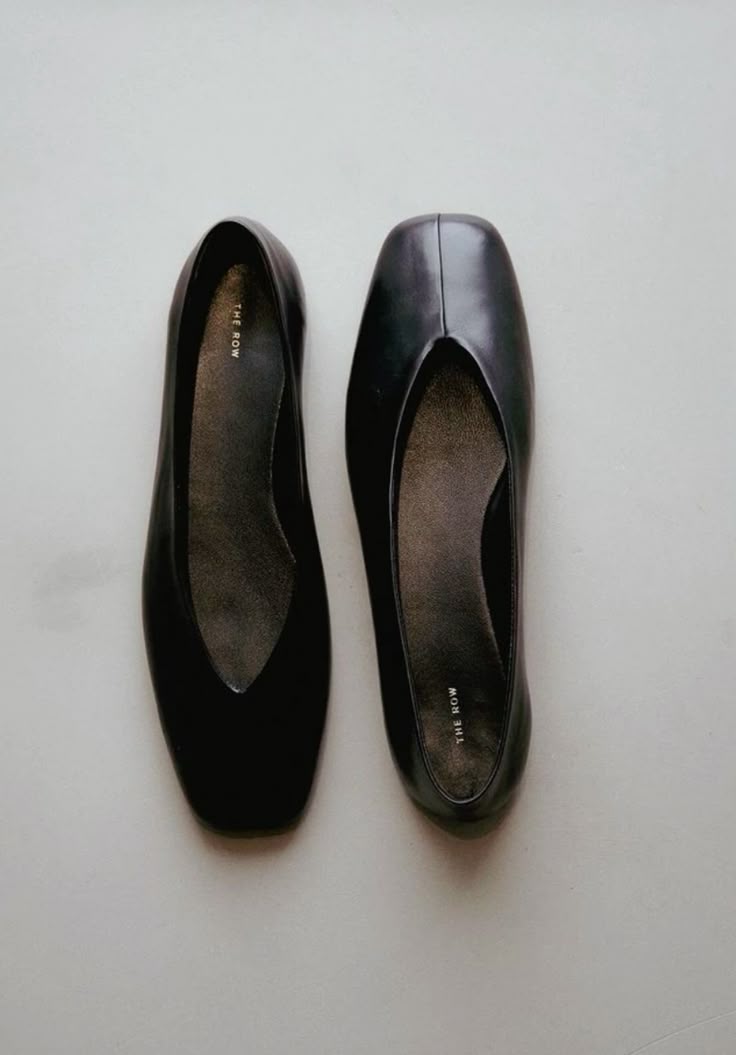
However, it is very important for you to listen to yourself and your desires in all of this. Comfort is not just about warmth or freedom of movement. It is a feeling of confidence, integrity, and harmony with yourself.
Tip 3. Study your body: highlight the areas that are important to you
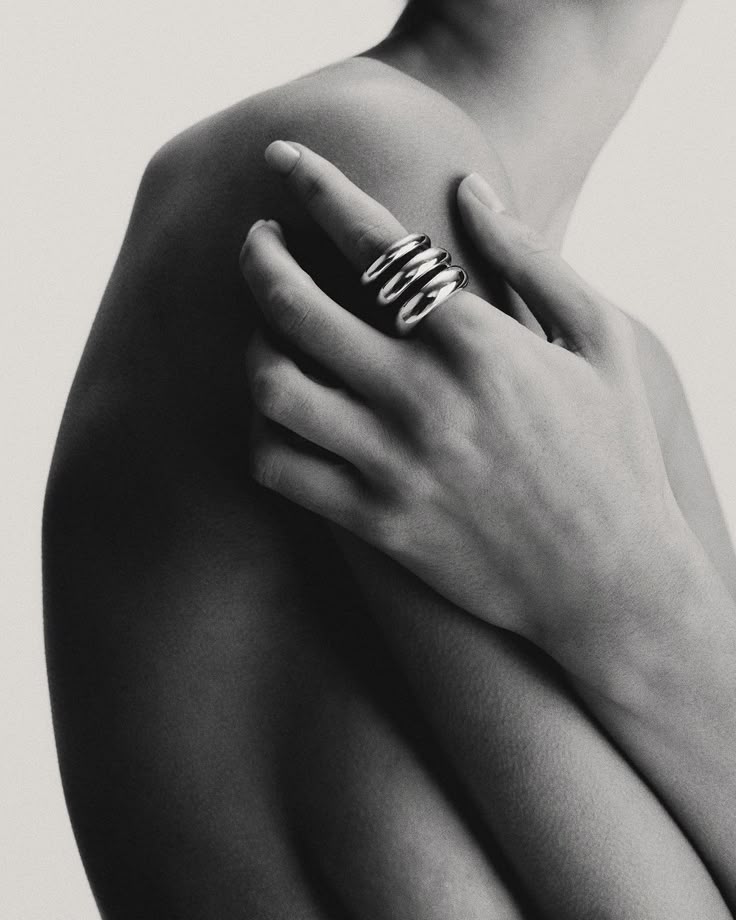
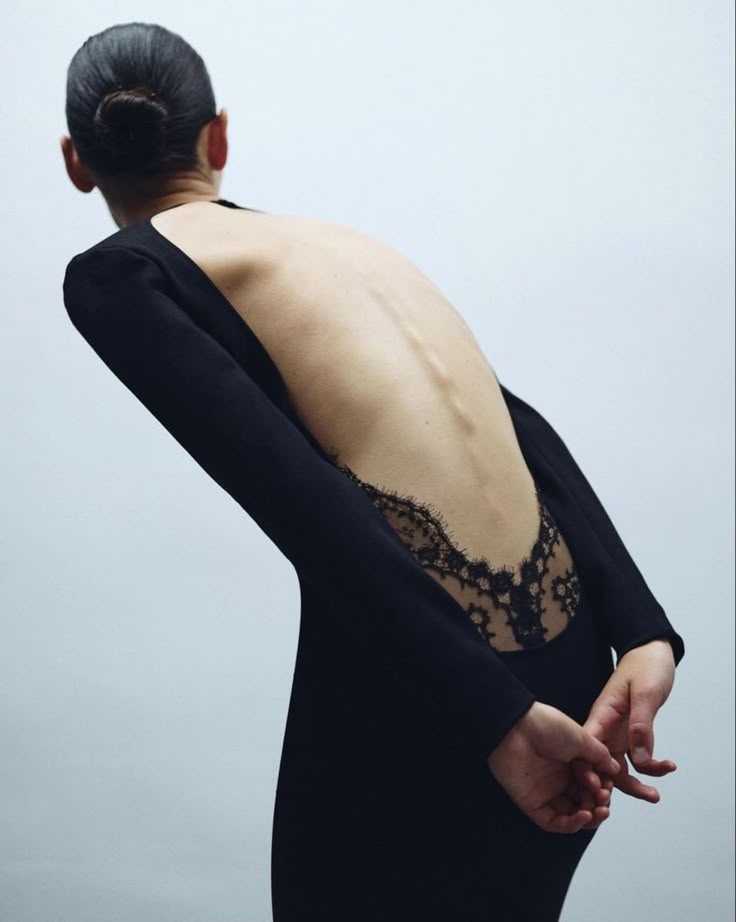
Understanding what to emphasize is a very personal and important feeling. Waist, shoulders, legs, neckline, collarbones, hands, and ankles. Each of us sees features in ourselves that can boost or diminish our confidence. The key to creating a comfortable and unique style is undoubtedly understanding your own body shape.
Experiment with shapes, proportions, and fabrics — see what works for you and what makes you want to cover up.
Tip 4. Experiment through fittings: try on lots of things, often
Once you understand what you feel comfortable emphasizing, go to the stores. Look for things that will draw attention to what gives you confidence. When choosing items, try them on not only in front of a mirror, but also in motion: squat, move your arms, see how the fabric “lives” with you. In this process, don't pay attention to trendy silhouettes and styles, just explore yourself in clothes.
Tip 5. Don't limit yourself to one style
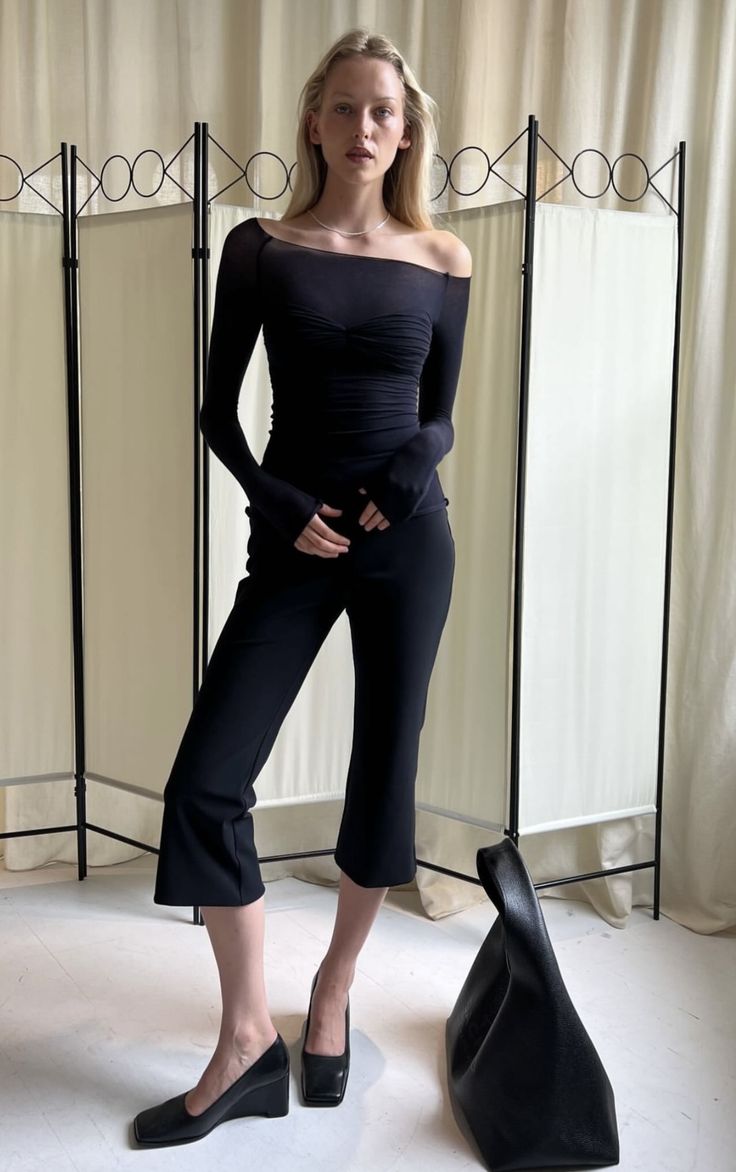
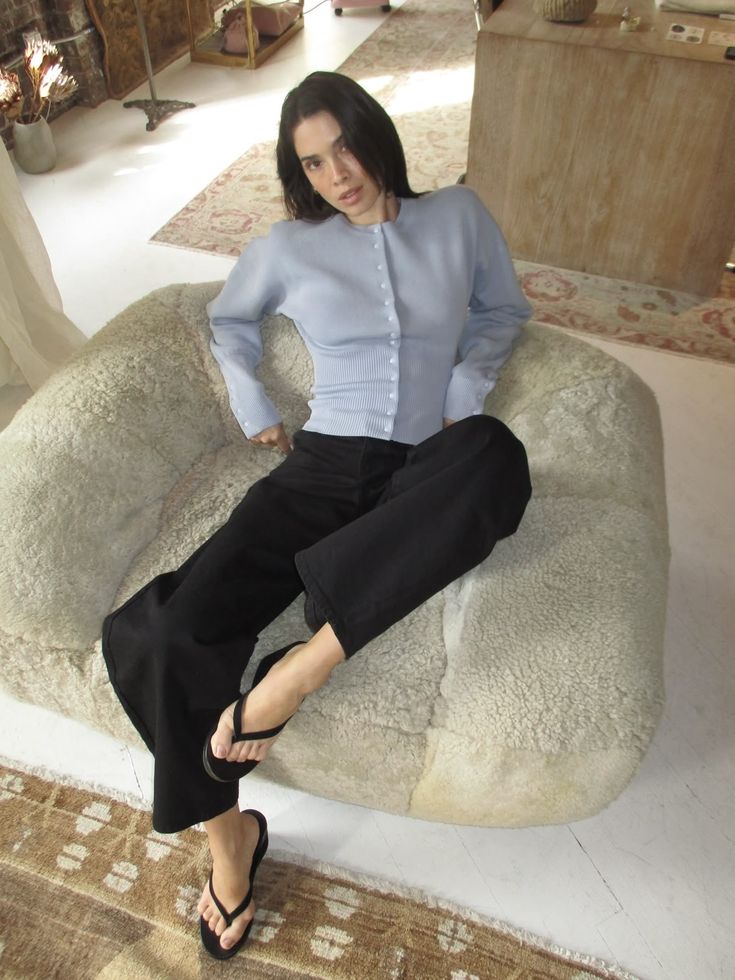
A unique style is not limited to one style, but a combination of several preferences: minimalism, classic, sports elements, romance — all of these can coexist. Include items from different styles in your wardrobe to create your own vector. You can choose two or three styles as the foundation of your wardrobe, but from time to time add touches of brighter or more unexpected styles. Don't be afraid to combine unexpected elements: it is the diffusion of styles that creates the most interesting combinations. And, of course, this is where your unique personality will shine through.
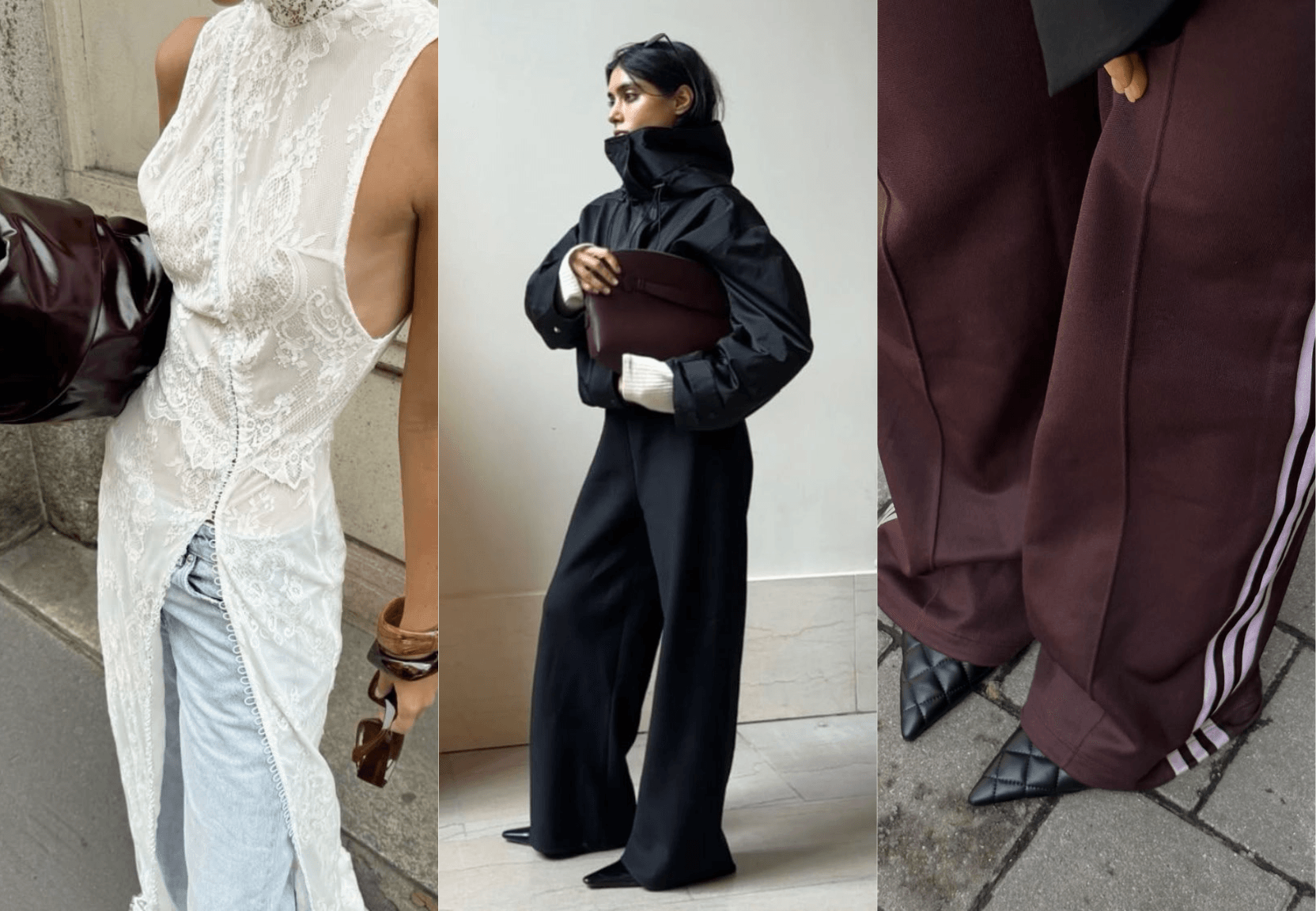
Developing your style is not about following rules or other people's expectations. It is about a unique format of self-discovery and expression, the desire to tell about yourself without words and create your own mood. Through self-awareness, experimentation with your body and things, trying on and combining — you can create a style that will be your own, multifaceted, and vibrant. And most importantly — style should work for you, not the other way around.
Share this post